Elevating Digital Identity with the Organic Precision of Natural Ink
In an era where digital saturation often leads to visual fatigue, creators and brands are increasingly seeking typographic solutions that bridge the gap between human touch and professional polish. The modern aesthetic landscape is shifting away from sterile, geometric perfection toward designs that evoke authenticity, warmth, and organic flow. At the forefront of this movement is Natural Ink, a display font that captures the essence of hand-lettered artistry while maintaining the structural integrity required for high-level commercial application. This typeface is not merely a collection of characters; it is a strategic asset for professionals looking to differentiate their visual identity in a crowded marketplace.
The Evolution of Authentic Typography in Branding
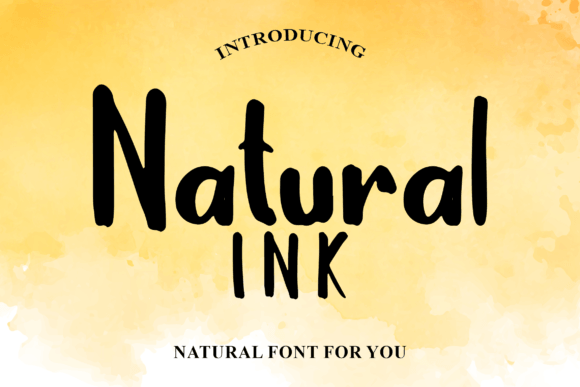
The trajectory of graphic design over the last decade reveals a clear pendulum swing. After years dominated by flat design and ultra-minimalist sans-serifs, there is a palpable hunger for texture and personality. Consumers, now more than ever, can detect when a brand feels manufactured or distant. They crave connection. This shift has forced marketers, entrepreneurs, and freelancers to reconsider their typographic choices. The Natural Ink Font emerges as a direct response to this changing consumer expectation. It offers a "cool style" that feels effortless yet deliberate, mimicking the variable stroke width and fluid dynamics of a brush dipped in actual ink.
When we discuss the relevance of Natural Ink, we are discussing a broader trend in the creative industry: the democratization of bespoke aesthetics. Previously, achieving a unique, hand-drawn look required commissioning a custom lettering artist, a process that was time-consuming and expensive. Today, high-quality display fonts like Natural Ink allow small businesses and independent creators to access that same level of sophistication instantly. This levels the playing field, allowing a startup coffee roaster or a boutique fashion label to project an image of established craftsmanship without the overhead of custom illustration.
Why Natural Ink Resonates with Modern Audiences
The attention surrounding Natural Ink is not accidental; it is rooted in psychology and current cultural currents. In a world mediated by screens and algorithms, anything that hints at human imperfection and organic movement stands out. The font's varying stroke weights and slightly irregular terminals suggest a narrative of creation, implying that there is a human hand behind the brand. This subtle cue builds trust. For marketers, this means higher engagement rates on social media graphics and packaging. For web designers, it translates to landing pages that feel inviting rather than corporate.
Furthermore, the versatility of the Natural Ink Font allows it to traverse various industries seamlessly. Whether applied to the wellness sector, where calmness and nature are paramount, or the tech startup space, where disrupting the status quo requires a bold visual voice, this typeface adapts. It avoids the clichés of overly distressed grunge fonts while steering clear of the rigidity of traditional script fonts. It occupies a sweet spot—a "natural and cool style" that feels contemporary without being trendy to the point of obsolescence.
Integrating Natural Ink into Professional Workflows
For the working professional, the value of a font lies not just in its appearance but in how it integrates into existing workflows. The adoption of Natural Ink reflects a change in how creators approach project timelines. Efficiency is key, but not at the expense of quality. By utilizing a pre-designed display font that possesses such distinct character, designers can skip the initial sketching phase and move directly to composition and layout. This accelerates the iteration process, allowing for faster client approvals and quicker time-to-market for campaigns.
Consider the workflow of a freelance social media manager. They need to produce daily content that stops the scroll. Using a standard system font often results in visuals that blend into the background noise. However, incorporating Natural Ink into headline graphics or quote cards instantly elevates the perceived value of the content. It signals effort and curation. Similarly, for entrepreneurs designing their own pitch decks or product labels, this font provides a layer of polish that suggests investment in brand identity, even when resources are limited.
- Packaging Design: The organic strokes mimic hand-painted labels, ideal for artisanal foods, craft beverages, and eco-friendly products.
- Digital Advertising: High contrast and readability make it effective for banner ads where capturing attention in milliseconds is crucial.
- Editorial Layouts: Perfect for magazine headers and blog titles that need to establish a tone of voice before the reader engages with the body text.
- Merchandise: From t-shirts to tote bags, the font's stylistic flair translates well to physical goods, enhancing retail appeal.
Adapting to Changing Consumer Preferences
The rise of Natural Ink also mirrors a shift in lifestyle trends. As consumers become more conscious of sustainability and authenticity, they gravitate towards brands that reflect these values visually. A font that looks "manufactured" might subconsciously signal mass production and disposability. In contrast, a typeface that emulates natural ink flow suggests care, tradition, and a connection to the earth. This alignment is critical for brands targeting millennial and Gen Z demographics, who prioritize transparency and genuine storytelling.
Moreover, the technology sector is embracing this aesthetic as a way to humanize complex services. Fintech apps, health platforms, and educational tools are increasingly using warmer, more approachable typography to reduce user anxiety and foster a sense of community. The Natural Ink Font fits perfectly into this strategy, softening the edges of digital interfaces and making technology feel more accessible and less intimidating.
Strategic Implementation for Maximum Impact
To truly leverage the potential of Natural Ink, one must understand context. While it is a powerful display font, it is most effective when used with intention. Pairing it with a clean, neutral sans-serif for body copy creates a dynamic hierarchy that guides the eye naturally. This combination ensures that the personality of the headline does not compromise the readability of the information. It is a balance of expression and function—a hallmark of sophisticated design.
Professionals should also consider the emotional resonance of their projects. If the goal is to convey luxury, stability, or strict corporate authority, a traditional serif might be more appropriate. However, if the objective is to inspire creativity, evoke nostalgia, or signal innovation, Natural Ink becomes an indispensable tool. Its ability to enhance any creation lies in its chameleon-like quality; it can be bold and loud or subtle and elegant depending on the weight, size, and color applied.
- Define the Brand Voice: Ensure the organic nature of the font aligns with the brand's core message of authenticity.
- Test Across Mediums: Verify legibility on both high-resolution prints and low-resolution mobile screens.
- Maintain Consistency: Use the font consistently across touchpoints to build strong brand recognition.
- Experiment with Color: The fluid lines of Natural Ink interact beautifully with gradients and textured backgrounds.
The Future of Display Typography
As we look forward, the demand for fonts that offer both character and utility will only grow. The static, one-size-fits-all approach to typography is fading. Creators are demanding assets that tell a story and evoke emotion. Natural Ink represents this future—a synthesis of artistic heritage and digital precision. It stands as a testament to the idea that technology does not have to strip away humanity; instead, it can amplify it.
For the forward-thinking designer, marketer, or entrepreneur, adding the Natural Ink Font to their library is an investment in versatility and relevance. It is a tool that empowers users to break free from the mundane and create visuals that resonate on a deeper, more human level. In a market defined by rapid change and fleeting attention spans, the ability to connect authentically is the ultimate competitive advantage. Natural Ink provides the vehicle for that connection, ensuring that whatever you create leaves a lasting, meaningful impression.
Ultimately, the choice of typography is a statement of intent. By choosing a font that embodies the fluidity and warmth of natural ink, professionals signal their commitment to quality, creativity, and genuine engagement. It is a small detail that makes a massive difference, transforming ordinary designs into extraordinary experiences. As the industry continues to evolve, those who embrace these organic, expressive tools will find themselves leading the charge in defining the next generation of visual culture.