Street Culture: A Rustic Serif for Authentic Design
In the crowded landscape of digital typography, finding a typeface that balances character with legibility is often a challenge for designers. Street Culture emerges as a compelling solution, offering a rustic serif aesthetic deeply inspired by college typography traditions. Unlike the sterile, geometric sans-serifs that dominate modern interfaces, this font family brings a tactile, human quality to visual communication. It is not merely a collection of glyphs; it is a design tool crafted to inject personality, warmth, and a sense of established history into projects that require more than just functional text.
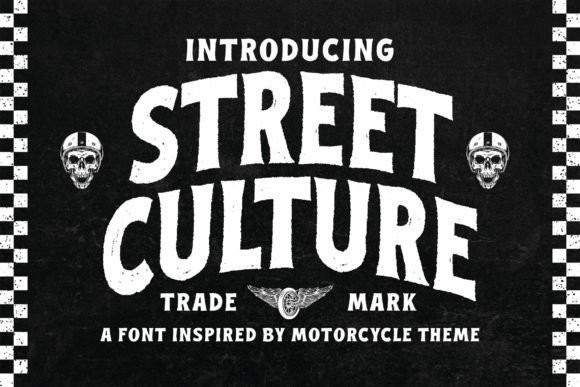
The appeal of Street Culture lies in its specific stylistic niche. It captures the essence of vintage academic lettering—think old university seals, fraternity banners, and classic literary covers—but refines it for contemporary application. The "rustic" descriptor is key here; the edges are not perfectly sharp or vector-clean in a way that feels cold. Instead, there is a subtle texture and organic flow that mimics the imperfections of ink on paper or chiseled stone. This makes it an exceptional choice for brands and creators looking to distance themselves from the generic look of default system fonts.
Defining the Aesthetic and Core Characteristics
To understand the practical value of Street Culture, one must analyze its structural DNA. As a serif typeface, it relies on the small lines attached to the end of a stroke in a letter or symbol. However, unlike traditional serifs like Times New Roman or Garamond, which prioritize maximum readability in long-form text, Street Culture prioritizes display impact. The strokes vary in thickness, creating a dynamic rhythm that draws the eye. The inspiration from college typography is evident in the bold, confident stance of the capital letters, which often feature high contrast and distinctive swashes.
The "playful" aspect mentioned in its description does not imply a lack of professionalism. Rather, it refers to the font's ability to break the monotony of rigid grid systems. The curves are generous, and the spacing allows the letters to breathe, creating an inviting atmosphere. This makes the font particularly effective for headlines and short bursts of text where the goal is to evoke an emotional response. Whether used in all-caps for a strong statement or in sentence case for a friendlier tone, the font maintains a consistent voice that feels both authoritative and approachable.
Practical Applications Across Industries
The versatility of Street Culture extends far beyond simple document formatting. Its robust design makes it suitable for a wide array of physical and digital media. For book covers, especially in genres like historical fiction, memoirs, or academic non-fiction, the font immediately signals a sense of tradition and depth. It suggests to the potential reader that the content within has weight and substance.
In the realm of packaging, this typeface shines when applied to artisanal products. Imagine a craft coffee bag, a small-batch hot sauce label, or a boutique soap wrapper. The rustic serif qualities align perfectly with brands that want to emphasize handcrafted quality and heritage. It helps these products stand out on shelves dominated by minimalist, ultra-modern branding by offering a touch of nostalgia and authenticity.
Furthermore, merchandise and apparel design benefit significantly from this font's structure. T-shirts, tote bags, and posters utilizing Street Culture often achieve a vintage collegiate look without resorting to clichéd athletic block letters. It allows streetwear brands and lifestyle companies to create logotypes that feel established, even if the company is new. The font's ability to scale well ensures that it remains legible and impactful whether printed on a large format poster or a small business card.
Evaluating Usability and Workflow Integration
From a technical standpoint, the effectiveness of any font depends on how well it integrates into a designer's workflow. Street Culture is designed with usability in mind. The character set is typically comprehensive, including necessary punctuation, numerals, and special characters required for professional typesetting. This consistency ensures that designers do not have to switch fonts mid-project when encountering specific symbols or currency signs.
The reliability of the font in various software environments is another critical factor. Whether working in Adobe Illustrator for vector logos, Photoshop for textured composites, or InDesign for layout heavy documents, the font renders consistently. The kerning pairs—the space between specific letter combinations—are generally well-adjusted by the foundry, reducing the need for manual tweaking. This saves time during the production phase, allowing creatives to focus on broader composition rather than micro-typography adjustments.
However, users should be aware of its primary limitation: it is a display font. While it possesses excellent aesthetics for headers and titles, it may not be the best choice for body copy in long articles or dense reports. The rustic details that make it attractive at large sizes can become visually noisy when reduced to 10 or 12 points. For optimal results, it should be paired with a clean, neutral sans-serif or a highly readable traditional serif for the main body text. This contrast creates a balanced hierarchy that guides the reader's eye effectively.
Who Benefits Most from This Typeface?
The audience for Street Culture is diverse, ranging from seasoned graphic designers to small business owners managing their own branding. Marketers and brand strategists will find it invaluable when developing brand identities that need to convey trust, history, or a "human" touch. It is particularly useful for rebranding projects where a company wants to move away from a cold, corporate image toward something more community-focused.
Freelancers and creators in the publishing space, such as self-publishing authors or zine makers, will appreciate the font's ability to give their work a polished, professional look without the high cost of custom lettering. Similarly, educators and institutional communicators can use it to create materials that feel connected to academic tradition without appearing outdated.
For entrepreneurs launching product lines, the font offers a shortcut to perceived value. Packaging designed with a high-quality rustic serif often commands a higher price point in the consumer's mind because it suggests care and craftsmanship. It helps bridge the gap between a startup and an established legacy brand.
Long-Term Value and Design Longevity
Trends in typography come and go, but the underlying principles of good design remain constant. Street Culture taps into a timeless aesthetic—the collegiate and rustic serif style has been relevant for over a century. This ensures that designs created with this font are less likely to look dated in a few years compared to those using fleeting trend-based typefaces. Investing in a license for such a font provides long-term value, as it can be reused across multiple campaigns and projects without losing its effectiveness.
The flexibility of the font also contributes to its longevity. Because it strikes a balance between playful and serious, it can adapt to different tones within the same brand ecosystem. A summer campaign might use the font in bright colors for a festive feel, while a winter campaign might utilize it in monochrome for a stark, elegant look. This adaptability means the asset remains useful regardless of shifting marketing strategies.
In conclusion, Street Culture represents a thoughtful intersection of historical inspiration and modern utility. It is not just a font; it is a stylistic choice that communicates specific values of authenticity, education, and craftsmanship. For professionals seeking to elevate their visual output beyond the ordinary, incorporating this rustic serif into their toolkit offers a reliable path to more engaging and aesthetically pleasing results. By understanding its strengths in display contexts and pairing it wisely with supporting typefaces, designers can unlock its full potential to tell compelling visual stories.