Striped: A Quirky Display Font for Bold Designs
In the crowded landscape of digital design, capturing attention within seconds is often the difference between a viewer scrolling past or stopping to engage. This is where Striped enters the conversation as more than just another typeface; it is a strategic tool for visual communication. As a fun and quirky display font, Striped offers a distinct personality that can instantly alter the tone of a project. Whether you are a marketer crafting a social media campaign, an entrepreneur designing packaging, or a blogger looking to refresh your header images, understanding how to leverage this specific style of typography can significantly elevate your creative output.
The core value of Striped lies in its ability to inject energy and movement into static designs. Unlike neutral sans-serif fonts that prioritize invisibility and readability above all else, display fonts like Striped are designed to be seen. They carry weight, texture, and attitude. When you integrate Striped into your fonts library, you are not merely adding a stylistic option; you are acquiring an asset capable of solving specific communication problems. For instance, when a brand needs to convey playfulness without sacrificing professionalism, or when a headline feels flat and fails to drive clicks, the unique structure of Striped can provide the necessary lift.
Enhancing Visual Hierarchy and Reader Engagement
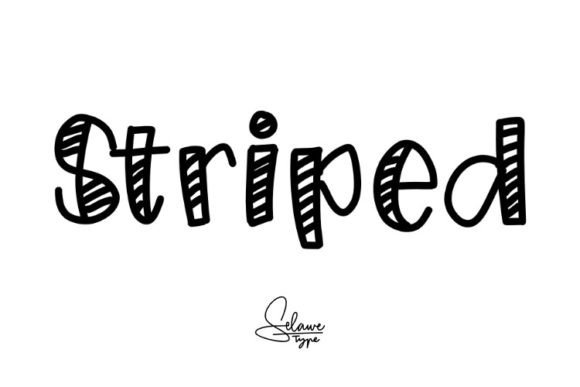
One of the most practical applications of Striped is in establishing a clear visual hierarchy. In modern content consumption, readers rarely read word-for-word immediately; they scan. They look for anchors—bold statements, interesting shapes, or contrasting colors—that tell them where to focus. Because Striped features a distinctive patterned aesthetic, it naturally draws the eye. Using it for primary headlines allows you to guide the viewer's journey through a layout effectively.
Consider a scenario where a small business owner is designing a promotional flyer for a weekend event. A standard bold font might communicate the date and time, but it may not convey the excitement of the occasion. By swapping the headline to Striped, the text itself becomes a graphic element. The "quirky" nature of the font suggests that the event will be lively and memorable. This subtle psychological cue helps align the audience's expectations with the brand's intent before they even read the body copy. It transforms the text from mere information into an invitation.
Furthermore, Striped supports creativity by breaking the monotony of grid-based layouts. Designers often struggle with "white space fatigue," where a page feels too sterile or corporate. Introducing a font with inherent texture adds depth without requiring additional graphical assets. This can be particularly beneficial for freelancers working under tight deadlines who need to produce high-impact visuals quickly. Instead of spending hours creating custom patterns or illustrations, the font itself provides the decorative element needed to make the design pop.
Ideal Use Cases for Maximum Impact
While Striped is versatile, it shines brightest in specific contexts where personality is paramount. It is an excellent choice for:
- Social Media Graphics: Platforms like Instagram and Pinterest rely heavily on visual stop-power. Striped works exceptionally well for quote cards, sale announcements, or story headers where the goal is to halt the scroll.
- Packaging and Labels: For consumer goods, especially in the food, beverage, or lifestyle sectors, the font can add a artisanal or boutique feel that distinguishes a product on a crowded shelf.
- Digital Advertising: Display ads have limited real estate. Using a font that commands attention can improve click-through rates by making the call-to-action feel more dynamic and urgent.
- Presentation Decks: Educators and professionals can use Striped for title slides to set an engaging tone, ensuring the audience is primed for the content to follow.
However, the effectiveness of Striped depends entirely on context. It is a display font, which means it is optimized for larger sizes. Attempting to use it for long paragraphs or body text would be counterproductive. The intricate details that make it charming at 48 points can become visual noise at 12 points, reducing legibility and causing reader fatigue. A knowledgeable designer knows to pair Striped with a clean, highly readable sans-serif or serif font for the body copy. This contrast ensures that while the headline grabs attention, the message remains easy to digest.
Streamlining the Creative Workflow
Beyond aesthetics, incorporating Striped into your workflow can lead to greater efficiency. When you have a reliable go-to font for headings that consistently delivers a specific vibe, you reduce decision fatigue. Instead of cycling through dozens of options trying to find something that "feels right," you can reach for Striped knowing it will deliver a fun, quirky, yet professional look. This consistency is also vital for branding. If a blogger or content creator uses Striped repeatedly across their thumbnails and banners, it becomes part of their visual identity, making their content instantly recognizable to their audience.
Moreover, the font's adaptability allows it to fit various topics without feeling out of place. Whether the subject matter is tech-related, lifestyle-oriented, or educational, the playful nature of Striped can humanize the content. In an era where audiences crave authenticity and connection, a font that feels approachable can bridge the gap between a brand and its consumers. It signals that there are real people behind the screen, fostering a sense of trust and relatability.
Considerations for Professional Implementation
To get the most out of Striped, one must approach its usage with intentionality. It is not a universal solution for every design challenge. There are situations where a more traditional or minimalist typeface is required, such as in legal documents, formal reports, or luxury branding that relies on understated elegance. In these cases, the quirky attributes of Striped might undermine the desired tone of seriousness or exclusivity.
Additionally, accessibility should always be a priority. While the font is visually striking, ensure that there is sufficient contrast between the text and the background. The striped pattern within the letters can sometimes reduce clarity if placed over busy images or low-contrast colors. Best practice involves placing Striped against solid, neutral backgrounds or using it in large sizes where the internal details remain distinct. Testing your designs on different devices is crucial to ensure that the font renders clearly on mobile screens, where a significant portion of your audience will likely encounter your content.
Ultimately, adding Striped to your collection is an investment in versatility. It empowers creators to experiment with tone and style without needing advanced illustration skills. By understanding its strengths—specifically its ability to grab attention, convey personality, and simplify design decisions—you can use it to create more compelling, effective, and memorable visual communications. Whether you are refining a personal portfolio or launching a new product line, this font serves as a reliable partner in bringing your creative vision to life with clarity and flair.