Crack Danger: Mastering Horror Typography for Impact
In the world of visual storytelling, few elements carry as much immediate emotional weight as typography. When a viewer glances at a poster, a book cover, or a website header, the font choice sets the psychological stage before a single word is read. This is where Crack Danger steps in, offering a distinct voice for creators who need to communicate tension, fear, and the unknown. As the name suggests, this typeface embodies an essence of horror and suspense in its design, moving far beyond standard serif or sans-serif options to create something truly visceral.
For designers, marketers, and content creators working within the thriller, mystery, or horror niches, finding a font that feels authentic rather than clichéd can be a challenge. Many "scary" fonts rely too heavily on dripping blood effects or overused scratchy textures that feel dated. Crack Danger takes a different approach. It seamlessly blends elements of fear and intrigue, making it a perfect choice for projects that seek to evoke a sense of darkness and foreboding without sacrificing readability or professional polish.
The Anatomy of Unease
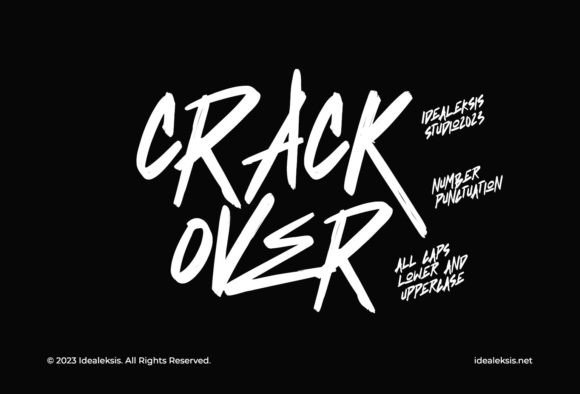
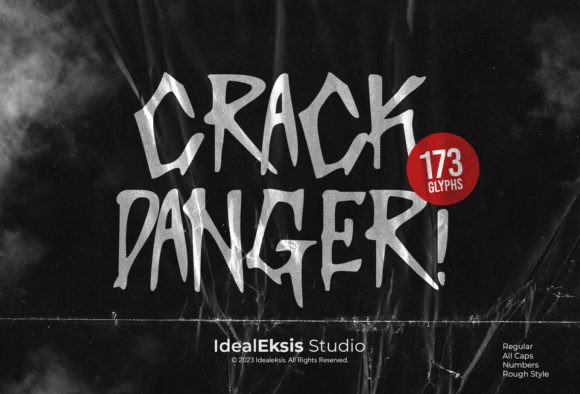
To understand why this font works so well, we have to look at how it is constructed. The letters are meticulously crafted with jagged edges, irregular strokes, and unsettling angles, contributing to an overall feeling of unease. Unlike traditional typefaces that prioritize symmetry and uniform baseline alignment, Crack Danger introduces intentional imperfections. These disruptions mimic the visual language of decay, destruction, or psychological fracture.
The "cracked" aesthetic isn't just a surface texture; it is built into the glyph shapes themselves. You will notice sharp terminations on stems and crossbars that look as though they have been shattered or eroded by time. This creates a subconscious reaction in the reader. Our brains are wired to recognize patterns, and when those patterns are broken or threatened, we instinctively feel a spike of alertness. By leveraging this psychological trigger, the font does the heavy lifting for your design, instantly establishing a mood of danger.
Furthermore, the irregular stroke widths prevent the eye from settling too comfortably. In standard body text, consistency aids flow. Here, the variation forces the reader to slow down, scrutinizing each letter. This increased dwell time is invaluable when you are trying to deliver a critical message, a warning, or a dramatic headline that needs to stick in the viewer's memory.
Strategic Applications Across Industries
While the primary association is naturally with the entertainment industry, the utility of Crack Danger extends much further. Professionals across various sectors can leverage its unique characteristics to solve specific communication problems.
- Entertainment and Media: This is the most obvious fit. Movie posters for psychological thrillers, indie horror film titles, and true crime podcast cover art benefit immensely from the font's aggressive personality. It signals to the audience exactly what kind of experience awaits them.
- Event Marketing: For Halloween attractions, haunted house promotions, or immersive theater experiences, the typography acts as the first line of defense in setting the scene. Using this font on tickets, social media graphics, and signage creates a cohesive brand identity that promises a scare.
- Gaming: Indie game developers often struggle with budget constraints for custom asset creation. A strong display font like Crack Danger can define the UI and logo for a survival horror game, providing high production value at a fraction of the cost of custom lettering.
- Seasonal Retail: Brands looking to capture the October market can use this typeface for limited-edition packaging or promotional banners. It helps products stand out on crowded shelves by breaking the visual monotony of clean, corporate sans-serifs.
Beyond these creative fields, there are educational and awareness applications. Safety campaigns regarding hazardous materials, emergency preparedness drills, or cybersecurity warnings about "dangerous" links can utilize the font to underscore the severity of the message. When the goal is to ensure someone stops scrolling and pays attention, a gentle font won't suffice. The jarring nature of Crack Danger commands respect and caution.
Enhancing Brand Engagement and Atmosphere
Implementing a distinctive typeface is more than an aesthetic choice; it is a branding strategy. In a digital landscape saturated with generic Google Fonts, standing out requires personality. When used correctly, this font enhances user experience by aligning the visual interface with the narrative content.
Consider a blogger specializing in urban exploration or abandoned places. Using standard typography might make their articles feel like dry reports. Switching headers to Crack Danger transforms the reading experience into an adventure, immersing the audience in the gritty reality of the locations being described. This alignment between form and content increases engagement metrics, as readers are more likely to stay on a page that feels authentic to the subject matter.
For entrepreneurs launching a niche product, such as a spicy hot sauce named "Volcano Heat" or an escape room business, the font serves as a shortcut to brand recognition. It communicates the core value proposition—intensity and risk—without needing extra copy. This efficiency in communication is crucial for mobile users who scan content quickly. If the vibe is right instantly, the click-through rate improves.
Practical Considerations for Implementation
Despite its strengths, Crack Danger is a display font, and like all display types, it requires careful handling. It is not designed for long-form body copy. Attempting to write a 500-word article entirely in this font would result in eye strain and reduced comprehension. The jagged edges that create atmosphere in headlines become noise in paragraphs.
Here are some best practices for getting the most out of this typeface:
- Pairing is Key: Always pair Crack Danger with a clean, highly legible sans-serif or a neutral serif for body text. This contrast allows the horror font to shine as an accent while maintaining readability for the actual content.
- Size Matters: This font performs best at larger sizes. The intricate details of the cracks and irregular strokes can get lost or look muddy when scaled down too small. Use it for headlines, subheaders, and call-to-action buttons.
- Color Contrast: While white text on a black background is a classic horror trope, do not be afraid to experiment. Dark reds, sickly greens, or stark yellows against textured backgrounds can enhance the "danger" aspect. However, ensure there is sufficient contrast for accessibility standards.
- Contextual Relevance: Ensure the usage matches the tone. Using a font that screams "horror" for a cheerful baby shower invitation creates cognitive dissonance that confuses the audience. Reserve it for contexts where tension, excitement, or warning is appropriate.
Ultimately, the power of Crack Danger lies in its ability to tell a story before the reader even begins. It is a tool for evoking emotion, creating atmosphere, and driving action through visual psychology. Whether you are designing a movie poster, launching a seasonal campaign, or simply trying to add some edge to your personal blog, understanding how to wield this typeface effectively can elevate your work from standard to unforgettable. By respecting its limitations and leveraging its unique structural qualities, you can create designs that resonate deeply with your target audience.