Crack Over: Mastering Sinister Elegance in Modern Design
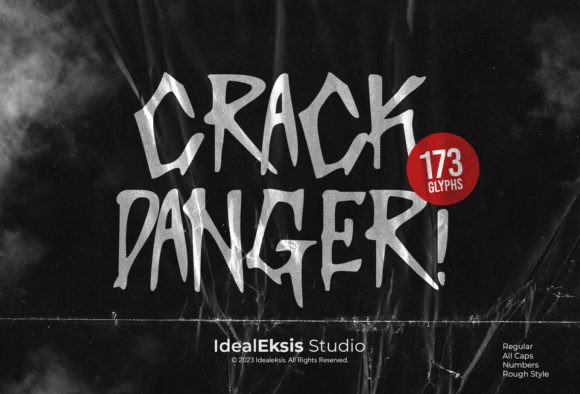
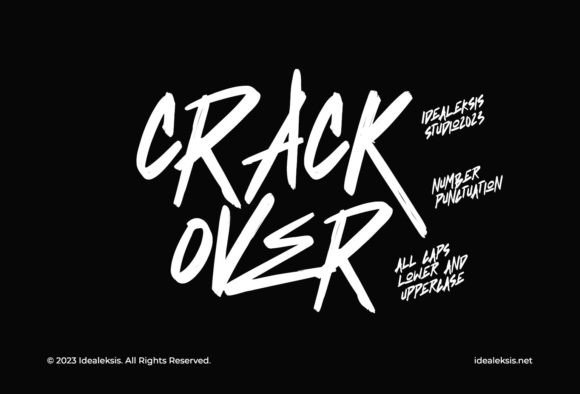
In the crowded landscape of digital typography, finding a typeface that genuinely communicates emotion without sacrificing readability is a rare achievement. Crack over emerges as a distinctive solution for designers seeking to bridge the gap between artistic expression and functional communication. This is not merely a font; it is a haunting font brush that evokes an aura of sinister elegance, designed specifically for projects that require a narrative depth beyond standard sans-serifs or serifs.
The visual language of Crack Over is defined by its sharp and menacing strokes. Unlike traditional brush fonts that often mimic the soft, organic flow of watercolor or ink, this typeface exudes an air of darkness. It captures the tension of a thriller novel cover or the edgy aesthetic of a modern streetwear brand. The brush strokes are intentionally crafted to culminate in pointed edges, adding an extra layer of intensity to the overall design. For creators working in horror, mystery, high-fashion, or alternative music genres, this specific textural quality offers a ready-made atmosphere that would otherwise take hours to illustrate by hand.
The Evolution of Atmospheric Typography
The rise of tools like Crack over reflects a broader shift in how audiences consume visual media. In the early days of web design, legibility was the sole priority, leading to a dominance of clean, neutral fonts. However, as digital spaces have matured, user expectations have evolved. Today's consumers crave immersion. They want brands to tell stories instantly through visual cues. A generic font no longer suffices when a business needs to establish a unique identity in a saturated market.
This trend toward "atmospheric typography" sees designers moving away from safe choices toward typefaces that carry personality and mood. Crack Over fits perfectly into this modern workflow. It allows marketers and bloggers to create immediate emotional resonance. When a user lands on a landing page or sees a social media graphic featuring these sharp, pointed edges, they subconsciously register the tone before reading a single word. This alignment of form and function is crucial in an era where attention spans are short, and first impressions are decisive.
Furthermore, the technology behind font creation has allowed for more nuanced brush simulations. What was once limited to high-end print production can now be rendered crisply on mobile screens. Crack over leverages this advancement, ensuring that its menacing strokes retain their integrity across various devices, from large desktop monitors to small smartphone displays. This versatility makes it a practical choice for professionals who need consistency across multiple platforms.
Practical Applications for Creators and Businesses
Understanding the specific characteristics of Crack over opens up a wide array of practical applications. Its ability to evoke a spine-chilling and mysterious atmosphere makes it an obvious candidate for entertainment industries. Consider the following scenarios where this font adds significant value:
- Halloween and Event Marketing: For event planners organizing haunted houses, escape rooms, or Halloween parties, the font serves as an instant thematic anchor. Posters and tickets using Crack Over set the expectation of fear and excitement before the event begins.
- Book Covers and Publishing: Authors in the thriller, horror, and true crime genres can utilize the sharp edges to mirror the tension in their narratives. A title set in this font suggests danger and intrigue, enticing potential readers browsing online catalogs.
- Fashion and Streetwear: The darker, edgier side of fashion often relies on typography that rebels against the norm. Brands looking to project an image of rebellion or underground coolness can use Crack over on t-shirts, hoodies, and lookbooks to reinforce their brand voice.
- Gaming and App Interfaces: Indie game developers creating atmospheric horror or mystery games can integrate this font into their UI elements, such as menu titles or dialogue boxes, to maintain immersion without breaking the fourth wall with generic system fonts.
Beyond these niche markets, there is a growing appreciation for "dark aesthetics" in general lifestyle branding. High-end coffee shops with industrial interiors, tattoo parlors, and even certain tech startups focusing on cybersecurity might find the menacing yet elegant strokes of Crack Over to be a perfect fit for their logo or headline copy. The key is balance; while the font is intense, its elegance prevents it from becoming cartoonish, allowing it to remain sophisticated enough for professional use.
Design Best Practices and Integration
While Crack over is powerful, effective design requires restraint. Because the font exudes an air of darkness and features highly detailed brush strokes, it should primarily be used for headlines, logos, and short bursts of text. Using it for long paragraphs can reduce readability and overwhelm the reader. The pointed edges that add intensity can become visually noisy if scaled down too small or repeated excessively.
To maximize the impact of Crack Over, pair it with clean, minimalist sans-serif fonts for body copy. This contrast allows the decorative nature of the headline to shine while ensuring the core message remains accessible. For example, a movie poster might feature the title in Crack over to grab attention, while the cast list and showtimes are presented in a simple, geometric sans-serif to maintain clarity.
Color selection also plays a pivotal role in how this font is perceived. While black on white is classic, the sinister elegance of Crack over often pops dramatically against deep reds, charcoal grays, or even stark neon greens. Designers should experiment with negative space to let the sharp strokes breathe. Crowding the letters can obscure the intentional culminations of the brush strokes, diminishing the very feature that makes the font unique.
Adapting to Changing Creative Workflows
The integration of specialized fonts like Crack over into daily workflows highlights a shift towards more curated asset libraries. Freelancers and agencies no longer rely on default system fonts. Instead, they invest in specific tools that align with their niche expertise. Having a go-to font for "mysterious" or "intense" projects streamlines the creative process. When a client brief arrives requesting a "dark and moody" vibe, the designer can immediately reach for Crack Over, knowing it will deliver the required aesthetic without extensive customization.
Moreover, the accessibility of such fonts democratizes high-quality design. Small business owners and hobbyists who may not have the budget for custom lettering can achieve a professional, bespoke look by utilizing pre-made brushes like Crack over. This levels the playing field, allowing smaller entities to compete visually with larger corporations that have dedicated design teams.
In conclusion, the relevance of Crack over lies in its ability to articulate a specific emotional tone with precision. As visual communication becomes increasingly vital in our digital-first world, tools that offer both style and substance are indispensable. Whether you are designing a book cover, launching a new clothing line, or creating content for a horror podcast, this haunting font brush provides the sharp, menacing elegance needed to captivate your audience. By understanding its strengths and applying it with strategic intent, creators can elevate their work from ordinary to unforgettable.