Unleashing Urban Energy: The Dynamic Power of Morton Taggity in Modern Design
The visual language of the streets has long influenced mainstream graphic design, transforming from underground subculture to a dominant aesthetic force in advertising, branding, and digital media. At the heart of this transformation lies typography that captures the raw, unfiltered spirit of urban expression. Among the growing library of typefaces designed to emulate this style, Morton Taggity stands out as an impressive graffiti font that successfully bridges the gap between authentic street art and functional commercial design. Its bold, dynamic, and expressive letterforms offer designers a potent tool for conveying energy, rebellion, and creativity without sacrificing legibility.
The Anatomy of an Impressive Graffiti Typeface
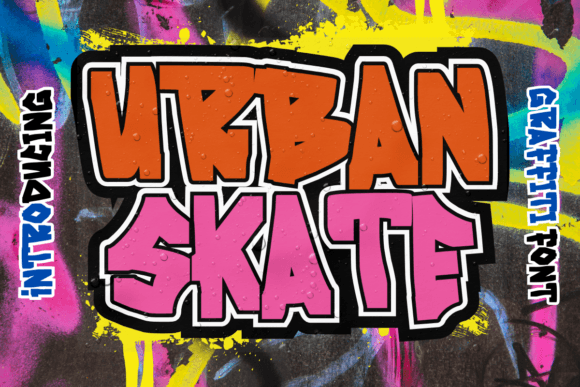
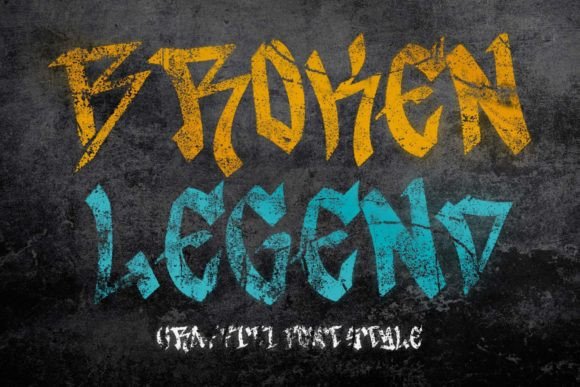
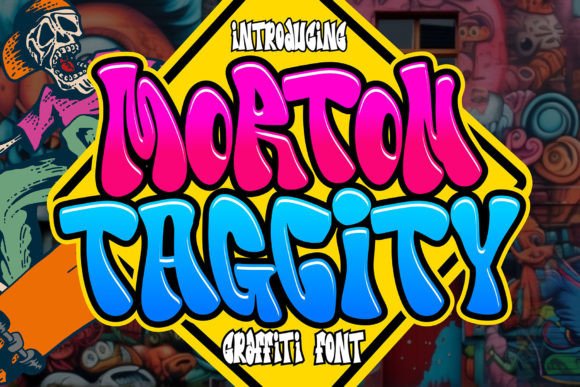
To understand why Morton Taggity resonates with creators across various industries, one must first examine the specific characteristics that define high-quality graffiti typography. Unlike standard sans-serif or serif fonts, graffiti-inspired typefaces require a complex interplay of weight, flow, and irregularity. Morton Taggity exhibits these traits through thick, heavy strokes that demand attention, mimicking the pressure of a wide-cap spray paint marker against a rough surface.
The letterforms within this category are not merely static shapes; they possess a sense of motion. In Morton Taggity, you will observe varying baseline alignments and slight distortions that suggest speed and spontaneity. This is crucial because true graffiti is rarely perfect; it is organic and reactive to its environment. By incorporating these subtle imperfections, the font avoids the sterile look of vector-generated text, instead offering a texture that feels hand-crafted. The expressive nature of the characters allows for overlapping elements and unique ligatures, creating a cohesive visual unit rather than a string of isolated letters.
Balancing Legibility with Artistic Flair
A common challenge in utilizing graffiti fonts is maintaining readability while preserving the artistic integrity of the style. Many amateur attempts at street-style typography result in illegible scribbles that fail to communicate a message effectively. Morton Taggity addresses this by adhering to a structured underlying grid, even while the outer contours appear wild and freeform. This balance ensures that the urban aesthetics remain intact while the text remains accessible to a broad audience. Whether used in a large-scale billboard or a digital social media graphic, the font retains its clarity, making it a reliable choice for professional applications where message delivery is paramount.
Strategic Applications in Urban-Themed Designs
The versatility of Morton Taggity extends far beyond simple headline usage. Its robust character makes it suitable for a wide array of projects aiming for a bold and eye-catching typographic style. For brand strategists and marketing professionals, this font serves as a powerful vehicle for connecting with younger demographics or positioning a product as edgy and contemporary.
- Streetwear Branding: Fashion labels specializing in urban apparel often rely on typography that reflects the culture their clothes represent. Morton Taggity provides an immediate visual cue that aligns with skate culture, hip-hop influences, and street fashion trends.
- Event Promotion: Concert posters, music festival banners, and nightclub flyers benefit immensely from the energetic spirit associated with graffiti art. The font's ability to convey movement makes it ideal for promoting high-energy events.
- Sports Graphics: Extreme sports brands, including those focused on skateboarding, BMX, and parkour, utilize such dynamic letterforms to match the intensity of the athletes and the environments they inhabit.
- Digital Content: In the realm of YouTube thumbnails, Twitch overlays, and social media stories, standing out in a crowded feed is essential. The vibrant and impactful typographic style of Morton Taggity helps content creators grab attention instantly.
Enhancing Visual Hierarchy in Posters and Print
When designing posters, the hierarchy of information is critical. Morton Taggity excels as a display font, intended for use at larger sizes where its intricate details can be fully appreciated. Designers can pair this expressive typeface with simpler, neutral sans-serif fonts for body copy to create a striking contrast. This juxtaposition highlights the main message while ensuring that secondary information remains easy to read. The boldness of the font allows it to serve as the primary graphical element of a composition, reducing the need for excessive imagery or decoration. In many cases, the typography itself becomes the art, carrying the weight of the visual narrative.
Implementing Morton Taggity in Creative Workflows
Integrating a distinctive font like Morton Taggity into a design project requires more than just selecting it from a dropdown menu. To maximize its potential, creators should consider the context in which the text will appear. The font thrives in environments that complement its rugged nature. Backgrounds featuring concrete textures, brick walls, or abstract splashes of color can enhance the authenticity of the typeface. Conversely, placing it against a stark, clinical white background might diminish its impact unless the goal is to create a specific high-contrast modernist statement.
For educators and researchers studying the evolution of graphic design, Morton Taggity offers a case study in the digitization of analog art forms. It represents the technical achievement of capturing the fluidity of spray paint within the rigid constraints of digital font files. Understanding how these curves and weights are constructed can provide valuable insights for students learning about type design and vector illustration. Hobbyists exploring lettering can also use Morton Taggity as a reference point, analyzing how the digital glyphs mimic natural hand movements to improve their own manual lettering skills.
Considerations for Business Owners and Marketers
While the aesthetic appeal of graffiti fonts is undeniable, business owners must approach their usage with strategic intent. The vibe conveyed by Morton Taggity is specific: it speaks to innovation, youth, and non-conformity. Therefore, it may not be suitable for every brand identity. A law firm or a financial institution might find the style too casual or aggressive for their corporate image. However, for businesses in the entertainment, lifestyle, or creative sectors, adopting such a vibrant typographic style can signal a break from tradition and an embrace of current cultural trends.
Furthermore, consistency is key. If Morton Taggity is chosen as part of a brand's visual identity, it should be applied consistently across all touchpoints to build recognition. Using it sporadically or mixing it with too many other decorative fonts can dilute its effect and confuse the audience. The goal is to let the font's personality enhance the brand's story, not overshadow it.
The Evolution of Street Aesthetics in Digital Media
The rise of digital platforms has democratized access to street art aesthetics, allowing designers worldwide to incorporate urban elements into their work regardless of their geographic location. Fonts like Morton Taggity play a pivotal role in this globalization of style. They allow a designer in a suburban office to create visuals that feel authentically rooted in the bustling streets of New York, Berlin, or São Paulo. This accessibility has led to a surge in urban-themed designs across various media, from mobile app interfaces to packaging design.
However, with increased availability comes the responsibility of respectful usage. Designers should strive to understand the cultural origins of graffiti and ensure that their use of fonts like Morton Taggity honors the art form rather than appropriating it superficially. When used thoughtfully, these typefaces can celebrate the creativity and resilience of urban communities, bringing a piece of that energetic spirit to a global audience.
Future Trends in Expressive Typography
As design trends continue to evolve, the demand for expressive, character-driven typography is likely to grow. Audiences are becoming increasingly desensitized to clean, corporate minimalism and are seeking visuals that feel human, imperfect, and alive. Morton Taggity fits perfectly into this shifting landscape. Its ability to convey emotion through shape and weight positions it as a timeless resource for creators who wish to make a statement. Whether utilized in a temporary campaign or a long-term rebranding effort, the impact of such a bold typeface remains significant.
In conclusion, the utility of Morton Taggity extends well beyond its classification as a mere software asset. It is a bridge between the physical act of painting and the digital realm of design, offering a unique set of tools for communication. By leveraging its bold structures and dynamic flow, professionals and hobbyists alike can craft messages that resonate with power and authenticity. As the boundaries between street culture and mainstream design continue to blur, fonts that capture the essence of the urban experience will remain indispensable assets in the creative toolkit.