Evaluating Best Love Smile Duo for Retro and Hippie Design Projects
When curating a visual identity that relies heavily on nostalgia, warmth, and a touch of counter-culture flair, the choice of typography becomes the single most critical decision in the design process. Best Love Smile Duo has emerged as a notable option for designers seeking to capture the essence of the 1960s and 70s without falling into the trap of cliché or illegibility. This font package is distinct because it operates as a duo, pairing a cool retro display typeface with a complementary script. This combination allows for a layered, dynamic look that mimics the hand-lettered signage and album covers of the hippie era. For adults navigating the crowded marketplace of digital assets, understanding where this specific tool fits within a broader design strategy is essential for making an informed investment.
The Anatomy of a Retro Duo: Structure and Style
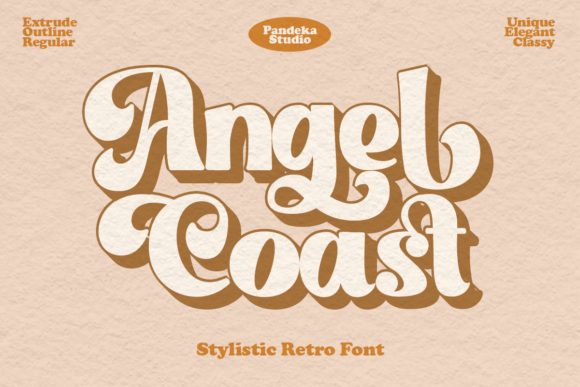
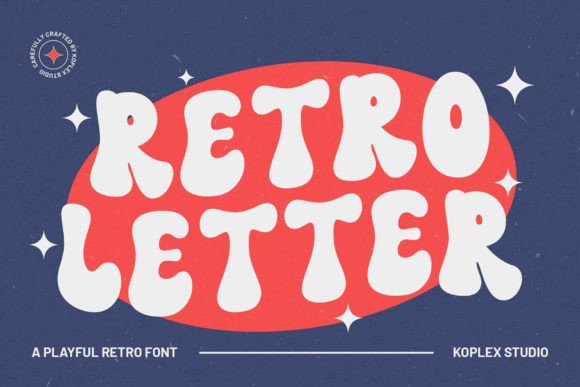
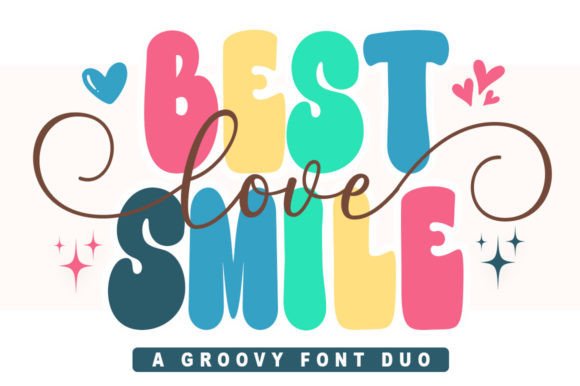
To evaluate Best Love Smile Duo effectively, one must first dissect its components. Unlike standard font families that offer varying weights of a single style, a "duo" system provides two fundamentally different voices that are pre-harmonized. In this case, the primary font offers a bold, rounded, and slightly irregular structure reminiscent of vintage bubble letters or psychedelic poster art. It carries a heavy visual weight, making it ideal for headlines and short impact statements. The accompanying script, conversely, introduces fluidity and motion. It acts as the connective tissue, softening the edges of the blockier primary font and adding a personal, human touch.
What sets this particular duo apart from generic retro offerings is its attention to the "fun look" required for modern interpretations of hippie design. Many vintage-style fonts suffer from being too rigid or overly distressed, which can hinder readability on digital screens. Best Love Smile Duo strikes a balance by maintaining clean lines within its retro contours. This ensures that while the aesthetic screams "vintage," the legibility remains high enough for contemporary applications such as social media graphics, t-shirt prints, and packaging labels. The guarantee of making an impact stems from this high-contrast pairing; the eye is naturally drawn to the interplay between the structured base and the flowing overlay.
Technical Advantages: The Importance of PUA Coding
For professional designers and serious hobbyists, the aesthetic appeal of a font is only half the equation. The technical infrastructure determines how efficiently the tool can be utilized in a workflow. A standout feature of Best Love Smile Duo is its PUA (Private Use Area) coding. In the context of typography, PUA coding refers to the mapping of special characters, glyphs, and swashes to specific keys within the font file that are accessible via standard keyboard inputs or character map utilities.
Why does this matter for the end user? Without PUA coding, accessing alternate characters often requires complex software workflows, such as opening advanced typography panels in Adobe Illustrator or Photoshop and manually selecting glyphs from a grid. This can be time-consuming and disrupts the creative flow. With Best Love Smile Duo, the extensive library of swashes and decorative elements is easily accessible. Designers can quickly toggle between different flourishes on capital letters or add unique terminal endings to words without leaving their text editing environment. This feature significantly lowers the barrier to entry for creating custom, bespoke lettering effects, allowing users to achieve a hand-drawn look with the speed of digital typing.
Comparative Analysis: Duo Systems vs. Single Styles
When researching font options, a common dilemma is whether to purchase a comprehensive duo system or to mix and match separate single-style fonts. There are valid arguments for both approaches, and the right choice depends on the specific constraints of the project.
- Cohesion and Harmony: The primary advantage of a dedicated duo like Best Love Smile Duo is guaranteed harmony. The x-heights, stroke widths, and overall mood of the script and the display font have been calibrated to work together. When mixing separate fonts, designers often struggle with mismatched proportions, where a script might look too delicate against a bold header or vice versa.
- Versatility: While a duo offers perfect pairing, purchasing two independent high-quality fonts might offer greater long-term versatility. A standalone script font could potentially pair well with ten different sans-serifs, whereas a duo is optimized primarily for its partner. However, for projects specifically targeting the hippie or retro niche, the specialized nature of the duo is usually a strength rather than a limitation.
- Workflow Efficiency: As noted regarding PUA coding, integrated systems often streamline the design process. Switching between two unrelated font files to achieve a similar effect can introduce friction, especially when trying to maintain consistent kerning and spacing across different typefaces.
Ultimately, if the goal is a cohesive, themed look that requires minimal tweaking to appear professional, a purpose-built duo is generally the superior choice over a DIY combination.
Ideal Use Cases and Application Scenarios
Understanding where Best Love Smile Duo excels helps in determining its value proposition. This font family is not a universal solution for all design needs; it is a specialized tool designed for specific emotional triggers. It shines brightest in contexts that require a sense of joy, freedom, and nostalgia.
Branding for Lifestyle Products: Brands selling organic foods, handmade soaps, festival apparel, or artisanal coffee often benefit from the approachable and earthy vibe of this font. The retro aesthetic suggests tradition and authenticity, which are key selling points in these markets.
Event Materials: For weddings with a bohemian theme, music festivals, or community gatherings, the font's fun and impactful nature makes it perfect for invitations, posters, and signage. The script element adds a touch of elegance that prevents the design from looking too childish, while the bold headers ensure important information stands out.
Digital Content: In the realm of social media, where capturing attention within seconds is crucial, the high contrast of the duo format performs well. It creates thumb-stopping visuals for Instagram stories or Pinterest pins, particularly when used over textured backgrounds or vibrant colors typical of hippie design palettes.
Limitations and Decision Factors
Despite its strengths, Best Love Smile Duo is not without limitations. A balanced evaluation requires acknowledging when this font might not be the appropriate resource. The very characteristics that make it effective for retro designs—its stylized forms and decorative swashes—can detract from readability in long-form text. It is strictly a display font system. Attempting to use it for body copy, legal disclaimers, or dense informational brochures would result in a poor user experience.
Furthermore, the "hippie" aesthetic is a specific stylistic lane. If a brand is aiming for a minimalist, corporate, or futuristic identity, this font would create a dissonant visual message. Designers must ensure that the playful and nostalgic tone aligns with the broader brand strategy before committing to the purchase. Additionally, while PUA coding simplifies access to glyphs, it sometimes requires specific software support. Users working in basic text editors or older software versions may find they cannot access the full range of alternates without upgrading their tools or using a character map utility.
Making the Final Choice
Selecting the right typography is a subjective process influenced by budget, project scope, and artistic vision. Best Love Smile Duo represents a strong contender for anyone looking to inject a dose of retro charm into their work with minimal effort. Its dual-nature setup solves the common problem of font pairing, and the PUA encoding ensures that the final output feels custom and polished.
However, it is vital to view it as part of a larger toolkit. For a designer building a diverse portfolio, this font serves as a excellent specialty asset for specific campaigns rather than a daily driver for all communications. By weighing the need for thematic consistency against the desire for broad versatility, users can determine if this retro duo is the missing piece in their current design repertoire. When used in the right context, it delivers on its promise of creating a fun, impactful, and memorable visual statement.