Evaluating Plump Twirl for Child-Centric Design Projects
In the realm of graphic design, typography often dictates the emotional resonance of a project before a single image is processed. For professionals working within the juvenile market—whether that involves publishing, event planning, or educational content creation—the choice of typeface is critical. It must balance legibility with an appropriate tone that speaks directly to children while maintaining enough structural integrity to satisfy adult stakeholders. Plump Twirl emerges as a specialized decorative font designed specifically to bridge this gap, offering a distinct aesthetic that prioritizes whimsy without sacrificing the fundamental requirements of readable text.
This analysis explores the characteristics, practical applications, and strategic value of Plump Twirl for designers and content creators. By examining its visual language and usability, we can determine where this asset fits best within a professional workflow and how it contributes to the overall success of youth-oriented campaigns.
Visual Characteristics and Design Philosophy
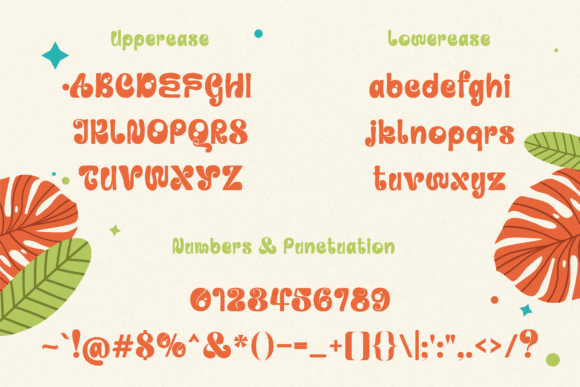
At its core, Plump Twirl is a display typeface engineered to evoke joy and movement. Unlike standard sans-serif or serif fonts that prioritize neutrality, this font leans heavily into personality. The character shapes are defined by their "chunky" proportions, featuring wide strokes and rounded terminals that mimic the softness of childhood toys or balloon art. This weight distribution gives the text a sense of stability and friendliness, avoiding the sharp edges that can sometimes feel too corporate or severe for younger audiences.
The defining feature, as the name suggests, is the incorporation of swirls and curls. These elements are not merely ornamental add-ons but are integrated into the structure of the letters themselves. In practice, this creates a dynamic rhythm across a line of text, making static words appear as though they are dancing. For a designer, this means the font carries its own energy; it does not require additional graphical embellishments to feel lively. However, this also implies that the font demands careful handling. The buoyant design captures the essence of innocent giggles and storybook tales, but it requires sufficient white space to prevent the swirling elements from clashing in tighter layouts.
Practical Applications in Professional Workflows
The utility of Plump Twirl is most evident in sectors dedicated to kids, children, and toddlers. Its primary strength lies in its ability to instantly communicate a specific mood: pure, childlike wonder. When evaluating where to deploy this typeface, several key use cases stand out:
- Children's Book Publishing: For picture books and early readers, the font serves as an excellent choice for titles and chapter headings. Its warm, hugging quality helps draw young readers into the narrative, acting as a visual invitation before the story even begins.
- Event Invitations and Stationery: Birthday parties, baby showers, and school events benefit significantly from the celebratory nature of Plump Twirl. It transforms a standard invitation into a keepsake that reflects the excitement of the occasion.
- Nursery and Educational Decor: When designing wall art, learning posters, or classroom materials, the font's friendly curves create a welcoming environment. It softens the visual landscape of a room, making it feel safe and engaging for toddlers.
- Product Packaging: For brands selling toys, snacks, or clothing aimed at the youth market, using Plump Twirl on packaging can differentiate a product on the shelf by signaling fun and approachability.
For marketers and small business owners, the font acts as a branding tool. It helps establish an identity that is accessible and non-threatening. When a parent sees this typeface, the subconscious association is often one of safety, play, and happiness, which are powerful drivers in the decision-making process for family-oriented products.
Usability and Technical Considerations
While the aesthetic appeal of Plump Twirl is undeniable, a professional evaluation must also consider its technical performance and limitations. As a decorative font, it is not intended for body copy in long-form texts. The intricate swirls and varying baseline heights can reduce readability when used at small sizes or in dense paragraphs. Therefore, its most effective role is as a headline or accent font, paired with a clean, highly legible sans-serif for the main content.
Consistency is another factor to monitor. Because the characters are designed to look unique and hand-crafted, kerning (the space between characters) may require manual adjustment in certain design software to ensure optimal spacing. In digital environments, such as websites or apps, it is crucial to test the font across different screen resolutions. The fine details of the twirls might get lost on low-resolution displays if the font size is too small. For web use, ensuring that the font file is optimized for fast loading times is essential to maintain a smooth user experience.
Furthermore, accessibility should always be a priority. While Plump Twirl is perfect for capturing attention, it may not meet WCAG (Web Content Accessibility Guidelines) standards for users with visual impairments if used as the primary source of information. It is best reserved for decorative headers where the content is reinforced by context or alternative text descriptions.
Strategic Value for Creators and Educators
For freelancers and agencies, having a reliable asset like Plump Twirl in the toolkit adds versatility. It solves the common problem of finding a font that feels "fun" without appearing amateurish or overly cartoonish. The quality of the curves suggests a level of craftsmanship that elevates the perceived value of the final product. Whether creating a logo for a daycare center or a flyer for a community storytelling hour, the font provides a polished look that resonates with both children and the adults who make purchasing decisions.
Educators can also leverage this typeface to make learning materials more engaging. A worksheet header or a certificate of achievement printed in Plump Twirl feels like a reward in itself. The gentle swirls and buoyant design capture the boundless energy of little feet, aligning perfectly with the dynamic nature of early childhood education. However, educators should remain mindful of the font's limits; for instruction on letter formation, a standard manuscript font is still necessary to avoid confusing young learners who are just beginning to write.
Long-Term Viability and Brand Alignment
Trends in typography come and go, but the fundamental need for approachable, human-centric design in the children's sector remains constant. Plump Twirl avoids dating itself quickly by focusing on universal themes of play and warmth rather than fleeting stylistic fads. Its "balloon-like" quality is timeless in the context of childhood imagery. For businesses looking to build a long-term brand identity, this font offers a stable foundation that can grow with the audience, provided it is used strategically.
It is important to note that while Plump Twirl is versatile within its niche, it is not a one-size-fits-all solution. It would be inappropriate for serious topics, financial advice for teens, or any context requiring a tone of authority or gravity. Understanding these boundaries is part of using the tool effectively. The font excels when the goal is to communicate pure delight, but it should be set aside when the message requires sobriety.
Final Recommendations for Implementation
To maximize the impact of Plump Twirl, designers should treat it as a spotlight element. Use it to highlight key messages, titles, or calls to action. Pair it with ample negative space to let the characters breathe and their unique shapes shine. When combining it with other typefaces, choose simple, geometric sans-serifs that provide a neutral counterpoint to the organic curves of Plump Twirl. This contrast ensures that the design remains balanced and easy to navigate.
Ultimately, Plump Twirl is more than just a collection of glyphs; it is a thematic asset that embodies the vibrant colors of youth. For those tasked with creating experiences for the young and the young-at-heart, it offers a reliable way to inject personality and warmth into visual communications. By understanding its strengths in evoking emotion and respecting its limitations regarding legibility, professionals can harness its potential to create designs that truly sing lullabies and narrate fairy tales. Whether you are a publisher launching a new series or a parent designing a birthday invite, this typeface serves as a passport to a universe where every day is a new adventure, provided it is wielded with intention and care.