Evaluating the Creative Potential of Heyho Miguelo
In the crowded landscape of digital typography, finding a display font that balances authentic human character with professional legibility is often a challenge for designers and content creators. Many handwritten typefaces lean too heavily into chaos, sacrificing readability, while others feel overly sanitized and robotic. Heyho Miguelo emerges as a compelling middle ground in this spectrum. It is a distinctive handwriting font designed to capture the natural flow of pen on paper, incorporating a playful design language with a subtle rough touch on the letterforms. For professionals ranging from marketing managers to independent artisans, understanding the specific utility of this asset is crucial before integrating it into a brand identity or creative project.
The Aesthetic Profile and Design Philosophy
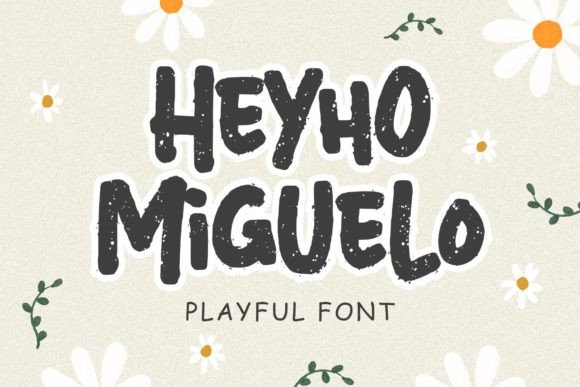
The core appeal of Heyho Miguelo lies in its ability to mimic the organic imperfections of genuine handwriting without appearing messy. The font features a "subtle rough touch," a design choice that adds texture and warmth to digital outputs. This is particularly valuable in an era where audiences are increasingly skeptical of sterile, corporate aesthetics. The roughness suggests a human hand was involved in the creation process, which can significantly enhance the perceived authenticity of a message.
Visually, the typeface maintains a cheerful vibe through its rounded terminals and varying stroke weights. Unlike rigid geometric sans-serifs, the letterforms in Heyho Miguelo possess a dynamic rhythm. The baseline is not perfectly straight, and the x-height varies slightly between characters, replicating the natural inconsistencies found in quick, confident script. However, it avoids the extreme fluctuations that make some novelty fonts difficult to read. This balance makes it suitable for headlines and short body copy where personality is required, but clarity cannot be compromised.
Practical Applications Across Industries
Versatility is a key metric when evaluating any typeface investment. Heyho Miguelo demonstrates significant flexibility across various media formats. Its primary strength is in display contexts—situations where the text needs to grab attention immediately.
- Marketing Collateral: For flyers and posters promoting local events, workshops, or seasonal sales, this font provides an approachable tone that invites engagement rather than demanding it.
- Merchandise and Apparel: The robust nature of the letterforms translates well to physical products. Whether printed on t-shirts, mugs, or tote bags, the subtle texture holds up well against different fabric weaves and printing methods like screen printing or heat transfer.
- Digital Content: Bloggers and social media managers can utilize Heyho Miguelo for quote graphics or story highlights. It breaks the monotony of standard web fonts, adding a layer of visual interest to Instagram posts or Pinterest pins.
- Packaging and Labels: Small business owners selling handmade goods, such as artisanal foods or crafts, can use this font on decals and labels to emphasize the "handcrafted" nature of their products.
The font's effectiveness in these scenarios stems from its ability to convey friendliness and individuality. In a retail environment, for instance, signage using Heyho Miguelo can make a store feel less like a chain and more like a community hub.
Usability and Technical Performance
From a technical standpoint, the usability of a font is determined by its character set, kerning, and consistency. Heyho Miguelo appears designed with a comprehensive glyph set, likely including uppercase, lowercase, numerals, and essential punctuation marks necessary for complete sentences. The spacing between characters (kerning) seems optimized to prevent the letters from colliding, a common issue in scripts with irregular shapes.
One practical consideration for users is legibility at smaller sizes. While Heyho Miguelo excels as a display font, its rough textures and playful loops may lose definition if scaled down too far for long paragraphs of body text. It is best reserved for headers, pull quotes, or call-to-action buttons where the font size remains substantial (typically 18pt and above). Using it for dense informational text could lead to reader fatigue, as the eye must work harder to distinguish the stylized forms compared to a standard serif or sans-serif.
Furthermore, the consistency of the "rough" effect is vital. In lower-quality handwriting fonts, the texture can appear repetitive, revealing the digital origin of the type. A high-quality implementation, which Heyho Miguelo aims to be, should vary the texture application or include alternate characters to maintain the illusion of natural writing throughout a sentence.
Target Audience and Strategic Fit
Who benefits most from integrating Heyho Miguelo into their workflow? The primary demographic includes entrepreneurs and small business owners who rely on personal branding to differentiate themselves. For a freelance graphic designer, this font serves as a reliable tool for projects requiring a casual, upbeat tone without descending into childishness.
Educators and publishers creating materials for younger audiences or community newsletters will also find value here. The cheerful vibe aligns well with educational resources that aim to be engaging rather than authoritative. Similarly, lifestyle bloggers and influencers who curate a warm, accessible online persona can use this typography to reinforce their brand voice visually.
However, it is important to recognize where this font does not fit. Corporate legal documents, financial reports, or luxury brands aiming for an image of exclusivity and minimalism would likely find the playful nature of Heyho Miguelo incongruent with their goals. The font projects openness and fun; it does not project seriousness or high-end sophistication. Misapplying it in these contexts could undermine the credibility of the message.
Long-Term Value and Design Longevity
Trends in typography shift rapidly, with specific styles falling in and out of favor. Handwritten fonts, in particular, can risk looking dated if they rely too heavily on specific stylistic quirks of a particular decade. Heyho Miguelo, by focusing on the fundamental qualities of natural handwriting rather than extreme stylization, offers better long-term value. The "subtle rough touch" is a timeless characteristic of analog writing, ensuring the font remains relevant even as design trends evolve.
For professionals building a asset library, investing in a versatile display font like this reduces the need to purchase multiple niche typefaces. Its ability to function across print and digital mediums means it can serve a project from the initial concept phase through to final production, whether that be a website launch or a printed brochure campaign.
Final Considerations for Implementation
When deciding to use Heyho Miguelo, context is everything. Pairing it with a clean, neutral sans-serif for body copy creates a balanced hierarchy that allows the handwriting element to shine without overwhelming the viewer. Designers should test the font in their specific output medium—what looks crisp on a monitor may behave differently when printed on textured paper or embroidered on fabric.
Ultimately, Heyho Miguelo represents a thoughtful addition to the modern typographer's toolkit. It succeeds by capturing the essence of human expression—the slight wobbles, the varied pressure, the cheerful energy—and translating it into a usable digital format. For those seeking to inject warmth and personality into their visual communications, it offers a reliable and effective solution that stands out through charm rather than noise. By understanding its strengths and limitations, creators can leverage this font to leave a lasting, positive impression on their audience.