Fat Boy and the Art of the Fat Bubble Font: A Guide to Playful Typography
In the vast universe of typography, where serif fonts whisper tradition and sans-serifs shout modernity, there exists a category dedicated purely to joy. Enter the fat bubble font, a stylistic choice that has captured the hearts of designers and audiences alike. Often exemplified by typefaces like Fat Boy, this style is defined by its rounded, inflated letterforms that resemble bubbles floating in the air. It is not merely a way to write words; it is a visual language of friendliness, energy, and unadulterated fun.
For anyone looking to understand why these chunky, soft-edged letters have become a staple in modern design, we must look beyond their cute appearance. This article explores the anatomy, purpose, and practical application of the fat bubble aesthetic, helping you understand when and how to use it effectively in your own projects.
What Defines the Fat Bubble Aesthetic?
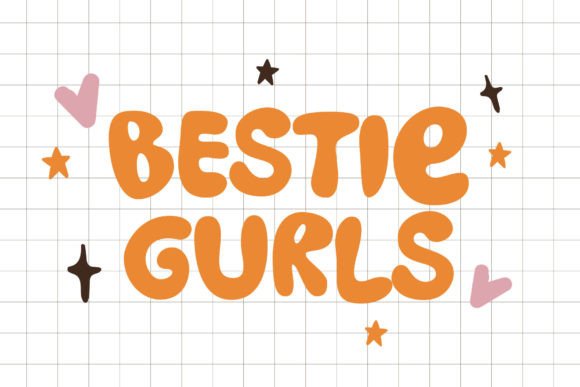
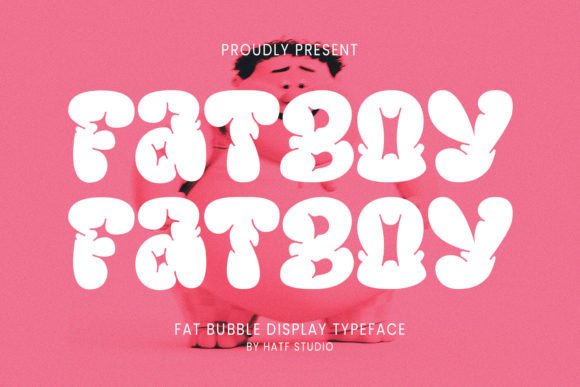
At its core, a fat bubble font is characterized by exaggerated curves and a lack of sharp angles. Imagine blowing soap bubbles; they are spherical, smooth, and fragile yet captivating. Typefaces in this genre mimic those physical properties. The letters are often "chunky," meaning they have a high stroke weight, making them appear plump and substantial.
The Fat Boy typeface is a quintessential example of this style. It features:
- Rounded Terminals: The ends of the letters do not taper off or end in flat slabs; instead, they curve gently, maintaining the circular motif.
- Low Contrast: Unlike traditional scripts where thick and thin lines vary dramatically, bubble fonts usually maintain a consistent thickness throughout the letterform.
- Soft Edges: There is no harshness here. Every corner is smoothed out to create an approachable silhouette.
- Inflated Appearance: The letters look as if they are filled with air, giving them a three-dimensional, popping quality.
This specific combination of traits creates a psychological effect on the viewer. The brain associates round shapes with safety and comfort, while sharp angles can signal danger or seriousness. Therefore, using a font like Fat Boy instantly lowers the viewer's guard, creating an atmosphere of lightheartedness and approachability.
The Psychology of Playfulness
Why do designers choose this style? The answer lies in emotional connection. In a world saturated with information, brands and creators are constantly fighting for attention. A standard Helvetica headline might be clear, but it rarely evokes a smile. A fat bubble headline, however, triggers a sense of nostalgia and whimsy.
This typeface is particularly effective when targeting a young audience. Children are naturally drawn to bright colors and round shapes, which is why you will frequently see bubble fonts on toy packaging, kindergarten classroom decorations, and animated movie posters. However, its utility extends far beyond the playground. Adults, too, respond to the stress-relieving nature of playful design. In marketing, this font style suggests that a brand does not take itself too seriously, fostering a sense of community and ease.
Practical Applications in Modern Design
The versatility of the fat bubble font is often underestimated. While it may seem limited to cartoonish contexts, it plays a crucial role in various sectors of design and business. Here is how this energetic typeface fits into different aspects of modern life:
- Branding and Logos: For businesses in the food industry (like ice cream shops or bakeries), entertainment sector, or children's products, a logo using Fat Boy can communicate flavor and fun before a customer even reads the name.
- Headlines and Posters: In event promotion, such as music festivals, carnivals, or summer sales, these fonts grab attention immediately. They stand out against more rigid corporate typography.
- Digital Interfaces: Website headers and app icons utilizing bubble fonts can make a digital platform feel more user-friendly and less intimidating, especially for educational apps or gaming sites.
- Merchandise and Stickers: The bold nature of these letters makes them perfect for physical goods. T-shirts, stickers, and mugs benefit from the high visibility and personality of inflated letterforms.
Consider a local coffee shop trying to rebrand. If they switch from a stark, minimalist font to a fat bubble style for their seasonal pumpkin spice latte campaign, the immediate perception shifts from "serious caffeine provider" to "cozy, fun neighborhood spot." This subtle shift in typography can significantly impact consumer behavior.
Common Misunderstandings and Best Practices
Despite its popularity, the fat bubble font is not a one-size-fits-all solution. A common misunderstanding among beginners is that "fun" fonts can be used anywhere. This is rarely the case. Using a typeface like Fat Boy for a legal document, a medical warning label, or a financial report would be inappropriate and could undermine the credibility of the content.
To use this style effectively, keep the following principles in mind:
- Context is King: Ensure the tone of your message matches the tone of the font. If the subject matter is grave or requires strict professionalism, opt for a more traditional serif or neutral sans-serif.
- Readability Matters: While bubble fonts are eye-catching, they can sometimes sacrifice legibility at very small sizes. Avoid using them for long body paragraphs. Instead, reserve them for titles, subheaders, and short calls to action.
- Pairing Strategies: To create a balanced design, pair your fat bubble header with a clean, simple body font. This contrast allows the playful element to shine without overwhelming the reader.
The Evolution of Bubble Typography
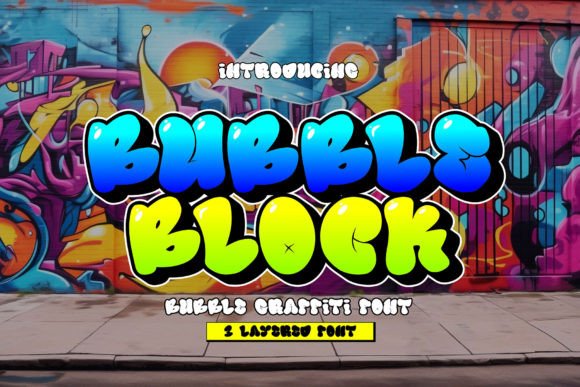
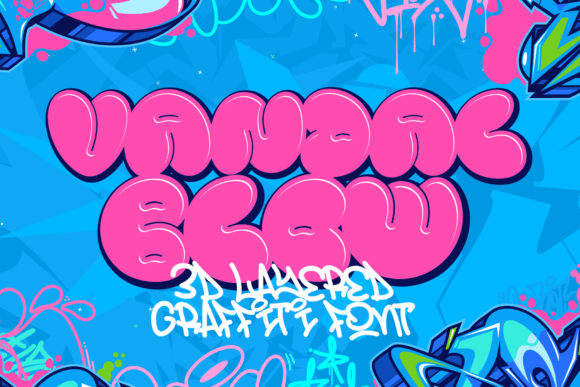
The history of rounded, inflated typography traces back to the psychedelic art movements of the 1960s and the graffiti culture of the 1970s and 80s. Artists sought to break away from the rigid grids of Swiss design, opting instead for fluid, organic forms that moved with energy. Today, digital tools have refined these styles. Fonts like Fat Boy are now vector-based, allowing them to be scaled infinitely without losing their crisp, soft edges.
In the realm of technology and creativity, these fonts have found a new home in UI/UX design. As interfaces become more human-centric, designers are incorporating softer elements to reduce "digital fatigue." The fat bubble font serves as a bridge between the cold logic of code and the warm emotions of the human user.
Conclusion: Embracing the Joy of Design
Ultimately, the fat bubble font is more than just a trend; it is a tool for emotional expression. Whether you are designing an invitation for a child's birthday party, creating a logo for a new startup, or simply adding a touch of personality to a social media graphic, typefaces like Fat Boy offer a unique vocabulary of joy. They remind us that design does not always have to be serious to be effective. Sometimes, the most powerful message is one that makes you smile.
By understanding the nuances of rounded letterforms, their psychological impact, and their appropriate applications, you can harness the power of the fat bubble aesthetic to create designs that are not only seen but felt. So, the next time you need to inject some energy into your work, consider letting your letters inflate, round out, and float above the rest.