Integrating Vandal Blow: A Practical Guide to 3D Layered Typography in Modern Design Workflows
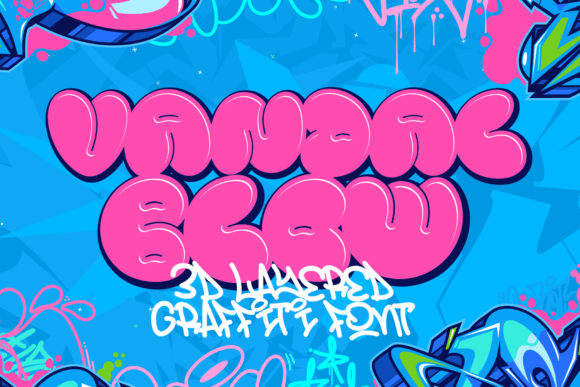
In the fast-paced world of visual communication, the difference between a design that is ignored and one that commands attention often lies in its dimensional quality. Flat text has its place in minimalism, but when the goal is impact—whether on a street poster, a digital ad, or a product label—depth becomes essential. This is where Vandal Blow enters the professional toolkit. Unlike standard typefaces that offer a single static weight, Vandal Blow is a sophisticated 3D layered graffiti font system comprising solid, shadow, and inner shadow styles. Understanding how to deploy this specific asset within a broader creative process allows designers, marketers, and small business owners to elevate their output without resorting to clumsy manual effects.
Understanding the Asset Within Your Workflow
Before integrating any new tool, it is crucial to understand its mechanics. Vandal Blow is not merely a font file; it is a modular system designed to simulate three-dimensionality through layering. In a typical design workflow, typography selection happens during the conceptualization phase, often before a single pixel is placed in the final composition. However, choosing a layered font like Vandal Blow requires a shift in planning. You are not just selecting a shape; you are selecting a structure that demands specific handling in your layout software.
The font's architecture includes three distinct components: the solid face, which provides the core identity; the shadow layer, which establishes depth and direction; and the inner shadow, which adds contour and realism. When these elements are stacked correctly, they create a cohesive 3D appearance that mimics hand-painted graffiti art or industrial signage. For professionals, recognizing that this font acts as a pre-built effect generator saves significant production time. Instead of spending hours manually drawing drop shadows or bevels in vector software, the heavy lifting is done by the font files themselves, allowing you to focus on composition and message.
Strategic Implementation Across Project Phases
The utility of Vandal Blow extends across various stages of a project lifecycle, from initial brainstorming to final delivery. Its application depends largely on the medium and the intended audience.
Pre-Production and Concept Development
During the planning stage, Vandal Blow serves as a powerful mood-setting tool. If you are developing a brand identity for a streetwear line, organizing a music event, or creating marketing materials for an urban lifestyle product, this font helps visualize the "vibe" immediately. By testing headlines with the full layered stack early in the process, stakeholders can gauge the emotional resonance of the 3D aesthetic. It helps answer critical questions: Is the tone too aggressive? Is the depth sufficient for the background? Using the font at this stage prevents costly revisions later, as it locks in the dimensional style before other assets are created.
Execution and Asset Creation
In the execution phase, the workflow shifts to technical precision. Whether you are using Adobe Illustrator, Photoshop, or Affinity Designer, the process involves importing the three separate font styles. A common pitfall for beginners is treating these as independent text objects. To maintain editability and consistency, it is best practice to keep the text layers linked or grouped logically.
For example, when designing a concert poster, you might set the main act's name using the solid layer as the base. Directly beneath it, aligned perfectly, goes the shadow layer, offset slightly to create the illusion of light source. Finally, the inner shadow layer is placed on top to carve out details within the letters. This method ensures that if a client requests a copy change, you only need to update one text string rather than redrawing complex vector shapes. This efficiency is vital for freelancers and agencies managing tight deadlines.
Post-Production and Adaptation
Once the primary design is complete, Vandal Blow continues to add value during the adaptation phase. Because the 3D effect is built into the font layers, resizing the typography for different formats—such as scaling a billboard design down for social media stories—retains its crispness and proportional depth better than rasterized effects. Furthermore, the separation of layers allows for dynamic color experimentation. You can alter the shadow color to match different background variations without affecting the legibility of the solid text. This flexibility supports A/B testing in digital marketing campaigns, where slight visual tweaks can significantly impact click-through rates.
Compatibility and Technical Considerations
Integrating Vandal Blow smoothly requires attention to software compatibility and file management. Since this font relies on multiple files working in unison, organization is key. Professionals should establish a clear naming convention for their font folders and ensure all three styles (solid, shadow, inner shadow) are installed and accessible. Missing one layer can break the illusion, leaving the text looking incomplete or flat.
When working in web environments, the implementation strategy changes. While desktop publishing software handles layered fonts effortlessly, web usage may require converting the text into SVGs or images to preserve the 3D stacking, as standard CSS web fonts do not natively support auto-stacking multiple font files for a single text node. For landing pages or digital banners, exporting the headline as a high-resolution transparent PNG or SVG ensures the 3D effect remains consistent across all browsers and devices. This decision impacts the workflow by adding a step for asset export, but it guarantees quality control.
Maximizing Visual Impact Through Layer Control
The true power of Vandal Blow lies in the manipulation of its layers. Blindly stacking them yields a standard result, but tweaking the alignment and color values unlocks custom looks.
- Light Source Consistency: Ensure the offset of the shadow layer matches the lighting logic of the rest of your image. If your scene is lit from the top-left, the shadow layer should be offset to the bottom-right.
- Color Contrast: The inner shadow layer does not always have to be black or dark gray. Experimenting with deep blues or purples can add a neon or atmospheric glow, fitting for nightlife or tech-themed projects.
- Texture Integration: Because the solid layer is distinct, you can apply textures or gradients specifically to the face of the letters while keeping the shadows solid, enhancing the realism of the graffiti aesthetic.
These adjustments allow creators to move beyond the default look, tailoring the font to fit specific brand guidelines or artistic visions. It transforms the font from a static element into a dynamic component of the design system.
Long-Term Value and Brand Consistency
For businesses and creators, investing in a specialized tool like Vandal Blow offers long-term benefits regarding brand consistency. Once a specific configuration of the layers is established—defining the exact offset, colors, and texture treatments—it becomes a repeatable asset. This standardization ensures that whether you are producing a flyer today or a website header next year, the 3D typography maintains a uniform appearance.
Moreover, the distinct style of Vandal Blow helps in building brand recognition. In crowded marketplaces, a unique typographic voice can be as memorable as a logo. By consistently applying this 3D graffiti aesthetic across touchpoints, entrepreneurs and marketers create a visual shorthand that audiences associate with their brand's energy and attitude.
Ultimately, the successful integration of Vandal Blow into your workflow is about balancing creative flair with technical discipline. It requires understanding that the font is a system of parts working together. By respecting the layering process, planning for compatibility, and leveraging the flexibility of the separate styles, you can produce high-impact visuals that stand out. Whether you are a seasoned graphic designer or a small business owner handling your own marketing, mastering this tool adds a dimension of professionalism and excitement to your projects, ensuring your message is not just seen, but felt.