Retro Letter: A Practical Look at the Groovy Font for Modern Design
The visual language of the 1970s has experienced a significant resurgence in contemporary design, moving beyond mere nostalgia to become a staple in branding, apparel, and digital media. At the center of this trend is Retro Letter, often categorized as a retro groovy font. This typeface captures the specific aesthetic of the disco era, characterized by bold curves, exaggerated proportions, and a playful energy that demands attention. For designers, marketers, and small business owners evaluating typography options, understanding the practical application and limitations of such a display font is essential before integrating it into a professional workflow.
Defining the Aesthetic and Core Characteristics
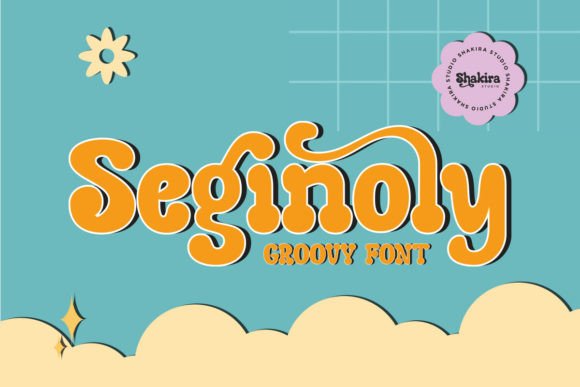
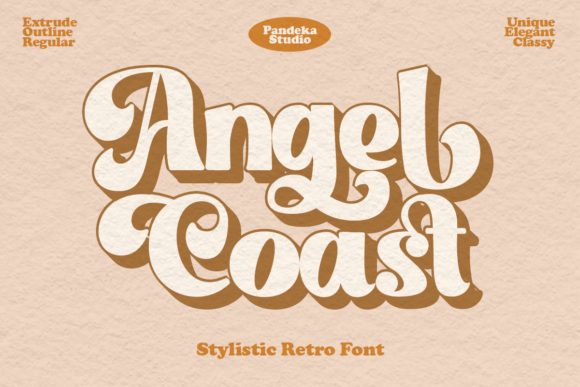
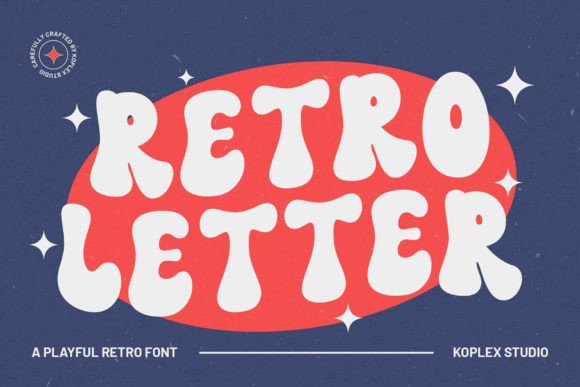
Retro Letter is not a standard text font intended for long-form reading; rather, it is a display typeface designed to function as a graphical element. Its letterforms are heavily influenced by the psychedelic and funk movements of the 1970s. The geometry typically features thick strokes, rounded terminals, and a distinct lack of sharp angles, creating a soft yet impactful presence. Unlike the rigid structure of modern sans-serifs or the traditional elegance of serifs, this font prioritizes personality and movement.
The "groovy" descriptor is accurate because the font embodies a sense of rhythm. The spacing between characters often feels dynamic, encouraging the eye to move across the word rather than stopping at individual letters. This makes it particularly effective for short phrases, logos, and headlines where the goal is to evoke a specific mood—specifically, one of cheerfulness, carefree attitude, and vibrant energy. When analyzing its construction, one notices that the weight distribution is generally uniform, which contributes to its legibility at larger sizes despite its decorative nature.
Practical Applications in Commercial Design
The true value of Retro Letter lies in its versatility across various physical and digital mediums. Because it acts as both text and illustration, it serves multiple functions in a design project. Below are key areas where this font demonstrates high effectiveness:
- Apparel and Merchandise: The font's bold lines translate exceptionally well to fabric printing. It is a top choice for T-shirt designs, hoodie graphics, and tote bags where a vintage streetwear vibe is desired. The thick strokes ensure the design remains visible even when printed on textured materials.
- Packaging and Labeling: For products aiming to stand out on crowded shelves, such as craft beverages, artisanal foods, or cosmetic lines, this typeface offers immediate shelf appeal. It signals to the consumer that the brand is fun, approachable, and perhaps slightly unconventional.
- Promotional Materials: Posters, album covers, and event flyers benefit from the high-contrast nature of the font. It works well against solid backgrounds or integrated with other retro graphic elements like sunbursts or geometric patterns.
- Digital Assets: In the realm of web design and social media, Retro Letter is effective for hero headers, banner ads, and thumbnail text. However, its use should be restricted to large sizes to maintain clarity on smaller screens.
For entrepreneurs and freelancers, the ability to use a single asset across stickers, mugs, and digital ads provides a cohesive brand identity without needing multiple custom illustrations. The font essentially does the heavy lifting of establishing a visual theme.
Evaluating Usability and Workflow Integration
From a technical standpoint, incorporating Retro Letter into a design workflow is generally straightforward, provided the designer understands its constraints. As a display font, it requires careful kerning (the spacing between individual characters). Due to the unique shapes of the letters, default spacing settings in software like Adobe Illustrator or Photoshop may sometimes result in awkward gaps or collisions. Professional results often require manual adjustment to ensure the "flow" of the word feels natural.
Legibility is another critical factor. While the font is eye-catching, its stylized forms can reduce readability if used for body copy or complex sentences. It performs best when limited to three or four words per line. For longer headlines, designers may need to increase leading (line spacing) significantly to prevent the tall ascenders and descenders from clashing. This limitation is not a flaw but a characteristic of the genre; recognizing it prevents misuse in projects requiring serious or dense information delivery.
Furthermore, the font's effectiveness depends heavily on color pairing. The 70s aesthetic is inherently tied to specific palettes—mustard yellows, burnt oranges, avocado greens, and deep browns. Using Retro Letter with neon cyberpunk colors or sterile corporate blues can create a dissonant visual experience. To maximize impact, the typography should be supported by a color scheme that reinforces the nostalgic narrative.
Target Audience and Strategic Fit
Who benefits most from adopting this typeface? The primary users are creative professionals and business owners targeting demographics that appreciate vintage culture or seek a break from minimalist trends.
- Creative Agencies and Freelancers: Those working with clients in the entertainment, food and beverage, or fashion industries will find this font a valuable tool for rapid prototyping. It allows for quick creation of mood boards and concept art that instantly communicate a "fun" direction.
- Small Business Owners: For boutique shops, cafes, or Etsy sellers looking to differentiate their brand from competitors using generic sans-serif fonts, Retro Letter offers an affordable way to inject personality into their branding without hiring a custom lettering artist.
- Content Creators and Educators: Bloggers and educators creating engaging visual content for social media can use the font to highlight key takeaways or titles, making their content more shareable and visually distinct.
However, it is less suitable for sectors requiring an image of strict authority, such as law firms, financial institutions, or medical practices, where trust and stability are paramount over playfulness.
Long-Term Value and Design Longevity
A common concern with trend-driven typography is longevity. Will the design look dated in two years? While Retro Letter is undeniably tied to a specific decade, the cyclical nature of design trends suggests that 70s aesthetics have staying power. More importantly, when used strategically as a brand accent rather than the sole visual identity, it ages better. For instance, using the font for a seasonal campaign or a specific product line allows a brand to ride the trend without committing their entire identity to it.
The quality of the font file itself also dictates long-term value. High-quality versions of Retro Letter should include a full character set with multilingual support, various weights if available, and clean vector outlines. Designers should verify that the font renders crisply at different resolutions to ensure it remains viable for both print and high-DPI digital displays. A well-constructed font file ensures that the asset remains useful across evolving technology standards.
Final Recommendations for Implementation
To get the most out of Retro Letter - Retro Groovy Font, designers should approach it as a specialized tool rather than a universal solution. Start by testing it in black and white to evaluate the shape and balance of the letterforms before adding color. Experiment with warping or distorting the text slightly to enhance the "psychedelic" feel, but avoid over-processing to the point where the text becomes unreadable.
Pairing is also crucial. Combine this display font with a neutral, highly legible sans-serif or a simple serif for body text. This contrast creates a hierarchy that guides the reader's eye effectively, allowing the groovy font to shine as the star of the show while maintaining overall communication clarity.
In conclusion, Retro Letter is a robust asset for any creative library focused on lifestyle, entertainment, or retro-themed projects. Its strength lies in its ability to instantly transport viewers to a different era, evoking emotions of joy and nostalgia. By understanding its specific strengths in apparel, packaging, and headlines, and respecting its limitations regarding legibility and context, professionals can leverage this font to elevate their projects with authentic retro coolness. It is not just a font; it is a stylistic shortcut to a vibrant, energetic brand voice that resonates with modern audiences seeking connection and character.