Unlocking 3D Depth: A Practical Guide to the Bevel Gear Racing Font
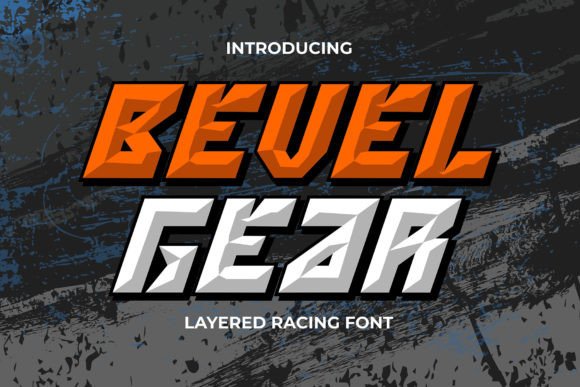
In the fast-paced world of graphic design, particularly within the automotive and motorsports sectors, typography does more than just convey words; it conveys speed, power, and mechanical precision. For designers, business owners, and content creators looking to capture the essence of racing, finding the right typeface is critical. This is where Bevel Gear enters the conversation. Unlike standard flat fonts, Bevel Gear is a specialized racing display font engineered with multiple layers specifically designed to create a convincing three-dimensional (3D) effect. This article explores the unique characteristics of this font, its practical applications, and how it can elevate design projects from simple text to dynamic visual experiences.
Understanding the Mechanics of Multi-Layer Typography
To truly appreciate the value of Bevel Gear, one must first understand the concept of multi-layer fonts. Traditional fonts are single-vector files; they are flat and rely on drop shadows or manual extrusion in software like Adobe Illustrator or Photoshop to achieve depth. While effective, this method can sometimes look artificial or require significant manual tweaking to get right.
Bevel Gear takes a different approach. It comes equipped with multiple layers that stack upon one another. When these layers are aligned correctly in your design software, they naturally form a 3D structure. This mimics the look of physical objects, such as machined metal parts or molded plastic, which are ubiquitous in the racing industry. The result is text that appears to have volume, weight, and dimension without the designer needing to manually build every side of every letter.
The Aesthetic of Speed and Engineering
The visual language of motorsports is distinct. It relies on sharp angles, bold statements, and a sense of forward momentum. Bevel Gear embodies this aesthetic perfectly. Its character shapes are often inspired by mechanical components, gears, and the aerodynamic lines of race cars. By utilizing this font, you are not just choosing a style; you are tapping into a visual vocabulary that speaks directly to car enthusiasts and racing fans.
When you apply Bevel Gear to a headline, the immediate effect is a sense of dynamic movement. The 3D effect catches the eye because it breaks the two-dimensional plane of the screen or paper. This makes it an exceptional choice for projects where grabbing attention quickly is paramount, such as event posters or digital advertisements.
Practical Applications in Motorsports and Beyond
While Bevel Gear is explicitly tailored for racing-related design projects, its utility extends to any scenario requiring a bold, industrial, or high-energy look. Below are several key areas where this font shines:
- Event Logos and Branding: For local karting leagues, drag racing events, or automotive repair shops, a logo needs to stand out. Bevel Gear allows for the creation of logos that look like emblems on a car hood.
- Promotional Posters: Whether advertising a upcoming race day or a car show, the 3D text adds a layer of excitement that flat text cannot match.
- Automotive Advertising: Car dealerships and parts manufacturers can use this font to highlight sales, new arrivals, or performance upgrades with a sense of urgency and strength.
- Merchandise Design: T-shirts, hats, and stickers featuring racing themes benefit greatly from the depth this font provides, making the merchandise feel more premium.
- Digital Content: YouTube thumbnails, social media banners, and website headers related to automotive reviews or gaming (specifically racing simulators) gain immediate click-through appeal.
Real-World Scenario: Launching a Regional Race Series
Consider a marketing team tasked with launching a new regional drifting championship. Their goal is to attract young drivers and spectators. They need a visual identity that screams "adrenaline." Using a standard sans-serif font might look clean, but it lacks the grit and intensity required. By implementing Bevel Gear for their main title and driver names, the team instantly creates a cohesive theme. The layered 3D effect allows them to experiment with lighting and texture overlays, making the text look like it is made of carbon fiber or brushed aluminum. This small typographic choice significantly enhances the perceived production value of the entire event.
Evaluating Suitability: Is Bevel Gear Right for Your Project?
As with any design tool, Bevel Gear is not a one-size-fits-all solution. While its strengths are evident in high-energy contexts, it is essential to evaluate whether it fits your specific needs. Here are some factors to consider before committing to this typeface:
- Readability at Small Sizes: Display fonts with complex 3D layers are designed for headlines and large titles. They may lose clarity when scaled down for body text or fine print. It is best paired with a simpler, flat sans-serif font for paragraphs.
- Software Compatibility: To fully utilize the multiple layers, you need design software that supports layer manipulation. Users should ensure their workflow allows for easy stacking and alignment of font files.
- Brand Tone: If your brand identity is soft, organic, or minimalist, the aggressive and mechanical nature of Bevel Gear might clash. It is best suited for brands that want to project strength, speed, and technical expertise.
- Color Flexibility: One of the advantages of layered fonts is the ability to color each layer differently. This offers creative freedom but requires a thoughtful color palette to ensure the text remains legible and visually harmonious.
Maximizing the 3D Effect
To get the most out of Bevel Gear, designers should experiment with the interaction between the layers. Simply stacking them is the baseline, but true creativity happens when you offset colors or add gradients. For instance, using a dark grey for the side layers and a bright neon orange for the face layer can create a striking contrast that pops against a dark background. Additionally, adding subtle textures to specific layers can enhance the realism, making the text appear worn, metallic, or glossy.
It is also worth noting that while the font provides the structure, the lighting and shadow effects you apply in post-production will define the final mood. A high-contrast lighting setup can make the text look dramatic and intense, while softer lighting can give it a more polished, commercial look.
The Value of Specialized Typography
In an era where digital content is saturated, differentiation is key. Using a generic font often results in designs that blend into the background. Specialized tools like Bevel Gear offer a shortcut to professional-looking results. For business owners who may not have a large budget for custom 3D modeling, this font provides a cost-effective alternative. It delivers the visual impact of complex 3D rendering with the ease of typing text.
Furthermore, consistency is vital in branding. Once a style is established using Bevel Gear, it can be replicated across various mediums—from billboards to mobile apps—ensuring that the brand maintains its "racing" identity regardless of the platform. This consistency builds recognition and trust among the target audience.
Limitations and Expectations
While powerful, users should maintain realistic expectations. Bevel Gear is a display font, meaning its primary function is decorative and impactful rather than informational for long-form reading. Overusing it can lead to visual fatigue. The key is balance. Use it for the elements that need to shout, and let other elements whisper.
Additionally, the "3D effect" is simulated through layers. If the layers are misaligned during the export process or if the file is flattened incorrectly, the illusion of depth can break. Attention to detail in the final export settings is crucial to preserve the integrity of the design.
Conclusion
Typography is a powerful tool in the designer's arsenal, capable of setting the tone and driving the narrative of a visual project. Bevel Gear stands out as a premier choice for anyone operating within the spheres of motorsports, automotive culture, and high-energy entertainment. Its unique multi-layer construction offers a seamless path to creating three-dimensional text that exudes depth, dimension, and dynamism.
Whether you are designing a logo for a new garage, a poster for a weekend race, or an advertisement for performance parts, understanding how to leverage the strengths of Bevel Gear can transform your work. By focusing on its mechanical aesthetics, experimenting with its layered capabilities, and applying it strategically within your broader design system, you can create visuals that not only inform but also inspire. In the competitive landscape of design, giving your text the depth it deserves might just be the edge you need to cross the finish line first.