Unlocking Retro Vibes: The Versatility of Heibua Groovy Display Typeface
In the ever-evolving landscape of graphic design, trends tend to cycle with predictable yet exciting regularity. Currently, the design world is witnessing a massive resurgence of 1970s aesthetics, characterized by bold curves, warm color palettes, and an undeniable sense of funk. At the heart of this visual revolution lies Heibua, a groovy display typeface that has quickly become a favorite among designers looking to inject personality and nostalgia into their projects. Whether you are crafting a brand identity from scratch or titling the next indie film, understanding how to leverage Heibua can transform a standard layout into a stunning piece of art.
The Character of Heibua
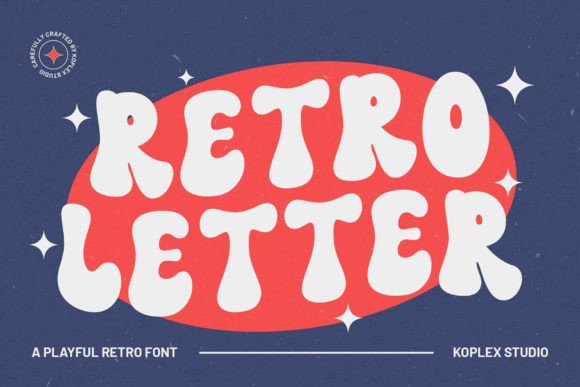
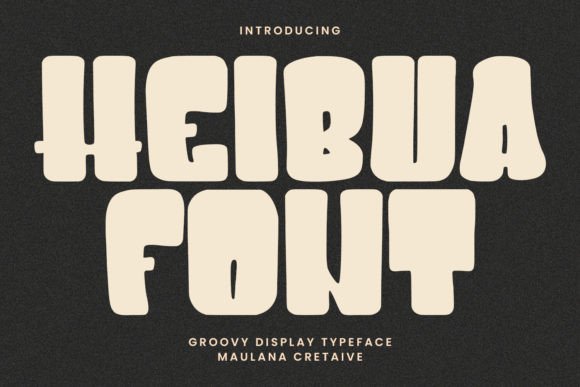
What exactly makes Heibua stand out in a crowded marketplace of fonts? It is not merely about being "retro"; it is about capturing the specific spirit of an era where design was experimental, free-spirited, and unapologetically bold. Heibua features exaggerated serifs, fluid terminals, and a high contrast between thick and thin strokes that mimics the hand-lettered posters of the disco age. However, unlike many novelty fonts that sacrifice readability for style, Heibua maintains a surprising level of legibility.
This balance is crucial. A font might look incredible in a three-word headline but fall apart when used for anything substantial. Heibua bridges this gap. Its geometric underpinnings provide stability, while its decorative elements offer flair. When you place Heibua on a canvas, it immediately commands attention. It speaks of confidence and creativity, making it an ideal choice for brands that want to appear approachable yet distinct. The glyph set is comprehensive, ensuring that whether you are typesetting in English or incorporating special characters, the stylistic integrity remains intact.
Dominating Logo Design and Brand Identity
One of the primary use cases for Heibua is logo design. In a digital ecosystem saturated with minimalist sans-serifs, a logo built with a groovy display font cuts through the noise. Imagine a coffee shop aiming to evoke the warmth of a vinyl record store, or a fashion boutique targeting a youth demographic obsessed with vintage streetwear. Heibua provides the perfect typographic voice for these entities.
When designing a logo with Heibua, consider pairing it with simple iconography. Because the font itself is so detailed and expressive, the accompanying graphics should often be understated to prevent visual clutter. The font acts as the hero. You might find success by manipulating the kerning slightly to create a custom ligature between specific letters, turning the wordmark into a unique symbol. This level of customization ensures that your brand does not look like it simply picked a preset from a library but rather commissioned a bespoke identity.
Cinematic Titles and Book Covers
Moving beyond static branding, Heibua shines brightly in the realm of storytelling, specifically within movie titles and book covers. The font carries a narrative weight; it suggests a genre before the audience even sees the imagery. For a comedy-drama set in the 1970s, Heibua is an obvious choice, but its utility extends further. It works exceptionally well for modern stories that deal with themes of nostalgia, music, or counter-culture.
For book titles, the impact is equally profound. A thriller with a retro twist or a non-fiction book about the history of rock and roll demands a title treatment that resonates with the subject matter. Heibua allows typography to become part of the illustration. Designers often apply textures to the font—adding grain, noise, or halftone patterns—to enhance the vintage feel. When used on a book cover, Heibua invites the reader to pick up the book, promising an experience that is both stylish and substantive. It tells the potential reader that the content inside is likely vibrant and engaging.
Social Media and Digital Engagement
In the fast-paced world of social media, stopping the scroll is the ultimate goal. Posts featuring generic fonts often get ignored, but those utilizing distinctive typography like Heibua capture the eye instantly. Whether it is an Instagram story announcing a sale, a YouTube thumbnail for a music video, or a Pinterest graphic promoting a lifestyle blog, Heibua adds a layer of professional polish mixed with artistic fun.
The versatility of Heibua in digital formats is notable. It scales well, maintaining its character even when shrunk down for mobile screens. However, designers must be mindful of background contrast. Given the intricate details of the groovy curves, placing Heibua over a busy photograph can reduce readability. The best practice is to use solid color blocks or blurred backgrounds behind the text to ensure the letters pop. This technique not only improves accessibility but also elevates the aesthetic quality of the social media asset, making it shareable and memorable.
Handling Text Lengths: From Short Bursts to Long Letters
A common misconception about display typefaces is that they are strictly for headlines. While Heibua is undoubtedly a display font, it possesses a unique capability to handle varying lengths of text. For short text, such as a tagline or a pull quote, it is unparalleled. The rhythm of the letters creates a musicality that draws the reader in.
Surprisingly, Heibua can also be effective for longer text applications, provided it is used with intention. Using it for a full paragraph of body copy in a novel would be ill-advised due to eye fatigue, but for a "letter from the editor," a manifesto, or a stylized invitation, it works beautifully. When setting longer passages in Heibua, increasing the leading (line spacing) is essential. This gives the complex shapes of the letters room to breathe, preventing the text block from looking like a dense wall of ink. This approach turns the text into a visual element itself, encouraging the reader to slow down and savor the words.
The Art of Font Pairing
To truly make a stunning work with Heibua, one must master the art of font pairing. A groovy display font rarely stands alone in a complex layout; it needs support. The most effective partners for Heibua are often found in two distinct categories: clean scripts and classic serifs.
Pairing Heibua with a flowing script font creates a dynamic contrast between the rigid, structured grooviness of the display face and the organic, handwritten feel of the script. This combination is perfect for wedding invitations with a retro twist or packaging for artisanal goods. On the other hand, pairing Heibua with a traditional serif font grounds the design. If Heibua is the loud, charismatic speaker at the party, the serif font is the thoughtful listener. This duo works exceptionally well in editorial layouts, where Heibua handles the headlines and the serif manages the body text, creating a hierarchy that is both clear and visually stimulating.
When selecting a secondary font, avoid choosing another display font with similar characteristics. Two competing groovy fonts will clash, creating visual chaos. Instead, look for neutrality in your supporting typeface. A simple, humanist sans-serif can also work if you want a more modern, less nostalgic vibe, allowing Heibua to be the sole representative of the retro aesthetic.
Practical Considerations for Modern Workflows
Integrating Heibua into your modern design workflow requires a shift in mindset. It encourages experimentation. Designers accustomed to safe, corporate grids may find themselves breaking rules to accommodate the swashes and curves of this typeface. It pushes you to play with alignment, perhaps centering text where you would usually left-align, or wrapping text around images in unconventional ways.
Furthermore, color plays a pivotal role when working with Heibua. The font begs for the warm, earthy tones of the 70s—mustard yellows, burnt oranges, avocado greens, and deep browns. However, do not feel restricted to this palette. Placing Heibua in neon pink against a dark background can create a cyber-groovy look that feels contemporary yet rooted in the past. The font is adaptable enough to survive various color treatments, including gradients and duotones, which are prevalent in current web design trends.
Ultimately, the decision to adopt Heibua should come from a desire to infuse emotion into your work. Typography is not just about conveying information; it is about conveying feeling. Heibua conveys joy, nostalgia, and a touch of rebellion. Whether you are designing a album cover, a website header, or a printed poster, this typeface offers the tools to create something that resonates on a human level. By understanding its strengths, respecting its limitations, and creatively pairing it with complementary elements, you can produce work that is not only functional but truly stunning.