Dakun: A Versatile Typeface for Modern Branding and Print
In the crowded landscape of digital typography, finding a typeface that balances distinctive character with functional versatility is often a challenge for designers and business owners alike. Dakun emerges as a compelling option in this space, offering a design language that feels both contemporary and adaptable. For professionals managing branding projects, from small startups to established enterprises, the choice of font can significantly influence how a message is perceived. This evaluation looks at what makes Dakun a practical asset for a wide range of creative applications, examining its technical features, visual strengths, and real-world usability.
Visual Identity and Design Characteristics
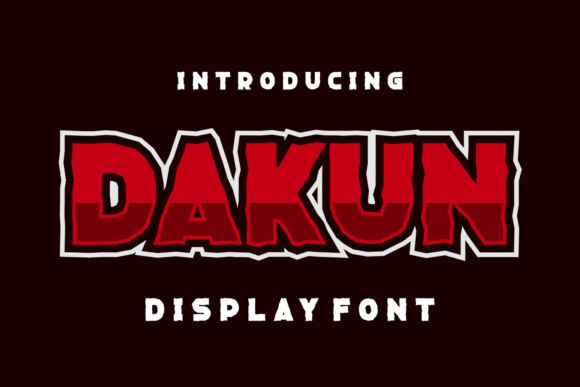
At its core, Dakun is designed to command attention without sacrificing readability. Its structure suggests a modern geometric influence, yet it retains enough organic nuance to avoid feeling sterile or overly mechanical. This balance is crucial when selecting a primary font for a brand identity. A typeface that is too rigid can feel cold, while one that is too decorative may lack the seriousness required for corporate communications. Dakun sits comfortably in the middle, providing a clean aesthetic that works well for both headers and body copy depending on the weight and sizing used.
The glyph construction shows careful attention to detail, particularly in the curvature of letters and the spacing between characters. These elements contribute to a cohesive look that remains consistent across different mediums. Whether viewed on a high-resolution monitor or printed on textured paper, the integrity of the letterforms holds up. This consistency is vital for maintaining brand recognition, ensuring that a logo or headline looks identical whether it appears on a business card or a large-scale billboard.
Technical Specifications and File Formats
From a technical standpoint, the utility of any font depends heavily on its file formats and compatibility. Dakun is distributed in both OTF (OpenType Font) and TTF (TrueType Font) formats. This dual availability is a significant advantage for users working across different operating systems and software environments. Designers using Adobe Creative Cloud applications on macOS will find the OTF files integrate seamlessly, offering advanced typographic features. Meanwhile, the TTF format ensures broad compatibility for Windows-based workflows or web implementation where specific browser support is a consideration.
The font family includes a comprehensive set of characters, covering uppercase, lowercase, numbers, and punctuation. This completeness is essential for professional typesetting. A font that lacks specific numerals or punctuation marks can create bottlenecks in the design process, forcing workarounds that compromise the visual flow. With Dakun, users have access to a full toolkit, allowing for the creation of complex layouts, data-heavy infographics, or detailed editorial content without missing elements.
Practical Applications in Branding and Marketing
The versatility of Dakun makes it suitable for a diverse array of marketing materials. For branding initiatives, the font's strong presence works exceptionally well for logos. It provides a solid foundation for a visual identity that needs to be memorable yet timeless. When scaled down for a name card, the legibility remains sharp, ensuring that contact information is easily readable. Conversely, when expanded for a poster or banner, the weight of the strokes maintains impact, drawing the eye from a distance.
In the realm of publishing, Dakun proves effective for magazine layouts and book covers. Its ability to pair well with serif fonts or simpler sans-serifs allows art directors to create dynamic hierarchies within a page. For digital platforms, it serves as an excellent choice for website headers, providing a clear entry point for users navigating content. The clarity of the characters reduces eye strain, which is a critical factor in user experience design.
Merchandise is another area where this typeface shines. For t-shirt designs, the boldness of the letters translates well to fabric printing methods like screen printing or direct-to-garment. The shapes are distinct enough to remain recognizable even when ink spread occurs slightly during the printing process. Similarly, for large-scale artwork or environmental graphics, the structural stability of the font ensures that the message is conveyed clearly regardless of the viewing angle or distance.
Usability and Workflow Integration
For freelancers and agency teams, workflow efficiency is paramount. A font that requires extensive kerning adjustments or fails to render correctly in certain programs can waste valuable billable hours. Dakun appears to be optimized for immediate use, with default spacing that works well for most standard settings. This "out-of-the-box" reliability allows creators to focus on the broader creative strategy rather than getting bogged down in micro-typographic fixes.
The inclusion of both OTF and TTF files also simplifies asset management. Teams can standardize on one format or keep both on hand to accommodate client preferences or specific printer requirements. This flexibility reduces friction during the handoff phase of a project, ensuring that the final deliverables match the designer's intent. Furthermore, the robust character set means that designers do not need to switch fonts mid-project to accommodate special symbols or numerical data, maintaining a unified visual voice throughout the collateral.
Evaluating Long-Term Value and Audience Fit
When investing in creative assets, longevity is a key consideration. Trends in typography shift rapidly, but foundational typefaces tend to endure. Dakun's design avoids overly trendy quirks that might date a brand within a year. Instead, it leans into a classic modernism that has proven resilient over decades. For small business owners and entrepreneurs building a brand from the ground up, this offers peace of mind. The font is likely to remain relevant as the business grows and evolves, reducing the need for costly rebrands down the line.
Who benefits most from Dakun? It is an ideal choice for marketers looking to establish a professional yet approachable tone. Educators creating presentation materials will find its clarity helpful for conveying information. Bloggers and publishers seeking a fresh look for their headers can use it to differentiate their content from competitors using generic system fonts. Even serious hobbyists working on personal projects, such as event invitations or custom apparel, will appreciate the ease of use and professional finish it provides.
However, like any tool, it is important to consider limitations. While versatile, Dakun may not be the best fit for projects requiring a highly ornate, script, or vintage aesthetic. Its modern geometry makes it less suitable for historical recreations or whimsical children's books that demand a more playful, irregular hand. Understanding these boundaries helps users apply the font where it performs best, maximizing its effectiveness.
Final Thoughts on Implementation
Integrating a new typeface into a existing library requires confidence in its quality and adaptability. Dakun demonstrates a strong capability to handle the demands of modern design workflows. From the initial concept phase involving logo sketches to the final production of large-scale banners, it offers a reliable performance. The support for multiple file formats and a complete character set removes many of the common frustrations associated with free or low-quality fonts.
For those considering Dakun for their next project, the recommendation is to test it against specific use cases. Try setting a headline alongside body copy to check the contrast. Print a sample on the intended material to verify ink coverage and edge definition. These practical steps will confirm whether the typeface aligns with the specific goals of the project. With its blend of aesthetic appeal and technical robustness, Dakun stands out as a resource worth exploring for anyone serious about elevating their visual communication.
Ultimately, the value of a font lies in how well it serves the message it carries. Dakun provides a clear, strong, and flexible voice for brands and creators. Whether used for a simple business card or a complex advertising campaign, it delivers the professional polish necessary to make a lasting impression. As with any creative decision, the best results come from thoughtful application, and Dakun provides a solid foundation upon which to build impactful designs.